Several of my recent posts have mentioned the critiques and failures of the Rwandan government in its efforts to rebuild and reconcile since the ’94 genocide. I think that, as I mentioned in the last post, it is important to view a country and people through more than just the lenses of their worst moments. But, it is also important to look critically at the governments of each country and insist they do better. This applies not only to Rwanda, but the US, European countries, and every government. This post will be a critical look at Rwandan’s steps towards development and what the consequences of these steps have been.
As a refresher, in my last post, I mentioned how colonizers used ethnic identities to drive a wedge between the Rwandan people as a means of control. These ethnic divides led to distrust, and hatred that eventually ended in genocide. When the Rwandan Patriotic Front (RPF) marched into Kigali marking the official end of the genocide (at least until the flare-ups marred the recovery) they established the current parliamentary government. The government declared that the Rwandan people would “Never Forget.” New laws established by the government included extensive funding for memorials and events regularly to remember the victims of the genocide. It also included funding to rebuild, to improve infrastructure, and bring Rwanda to the forefront of development in Africa. Here’s where it gets dicey though.
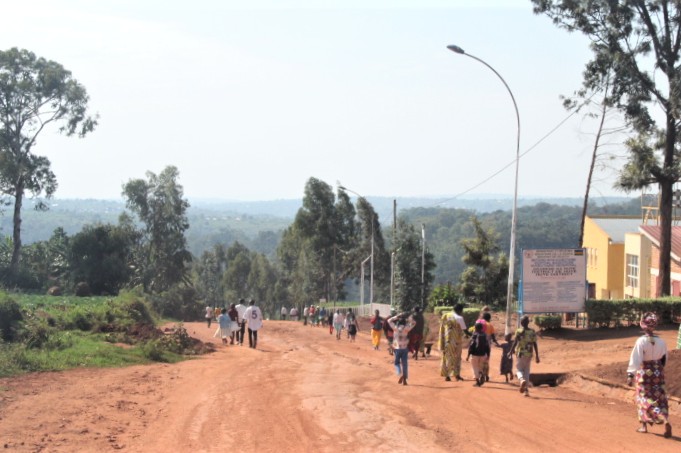
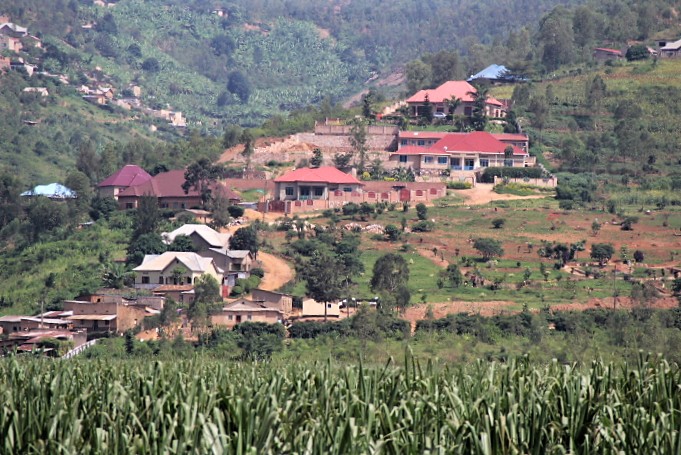
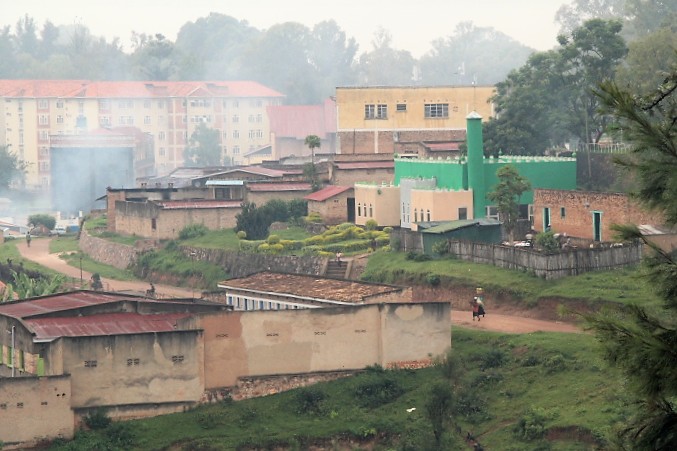
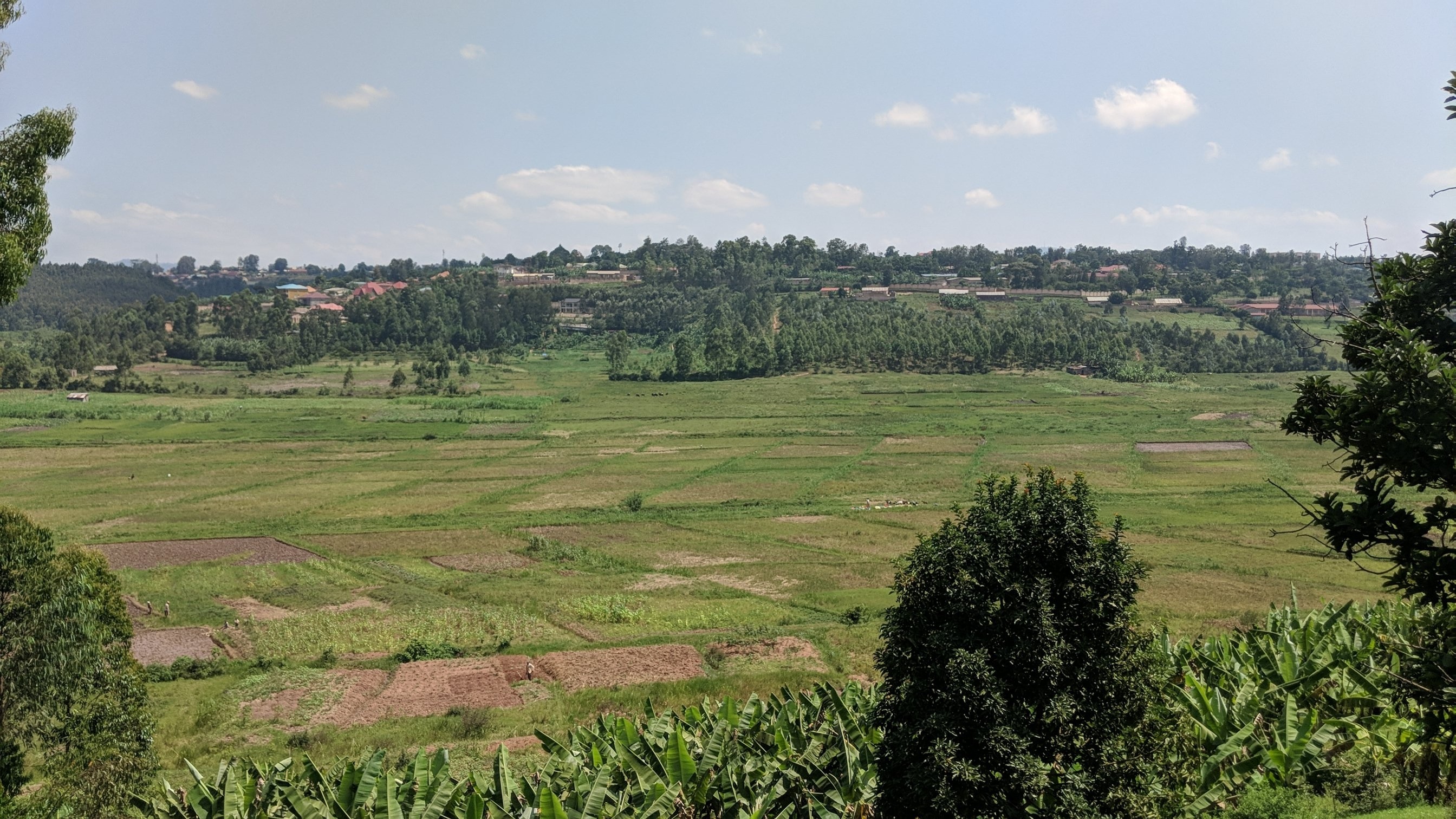
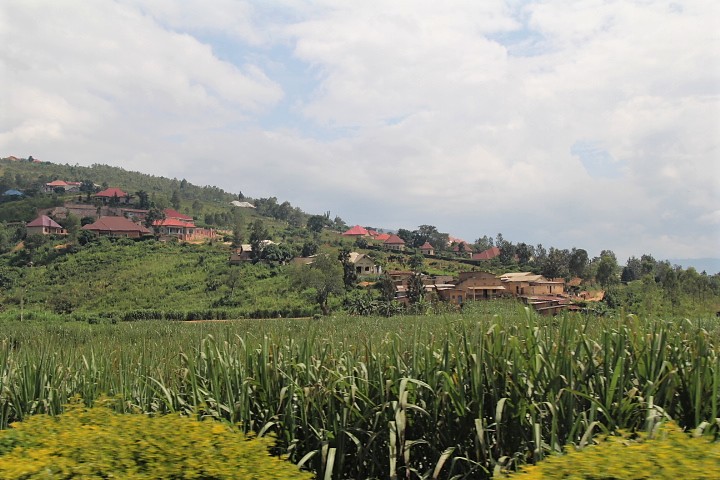
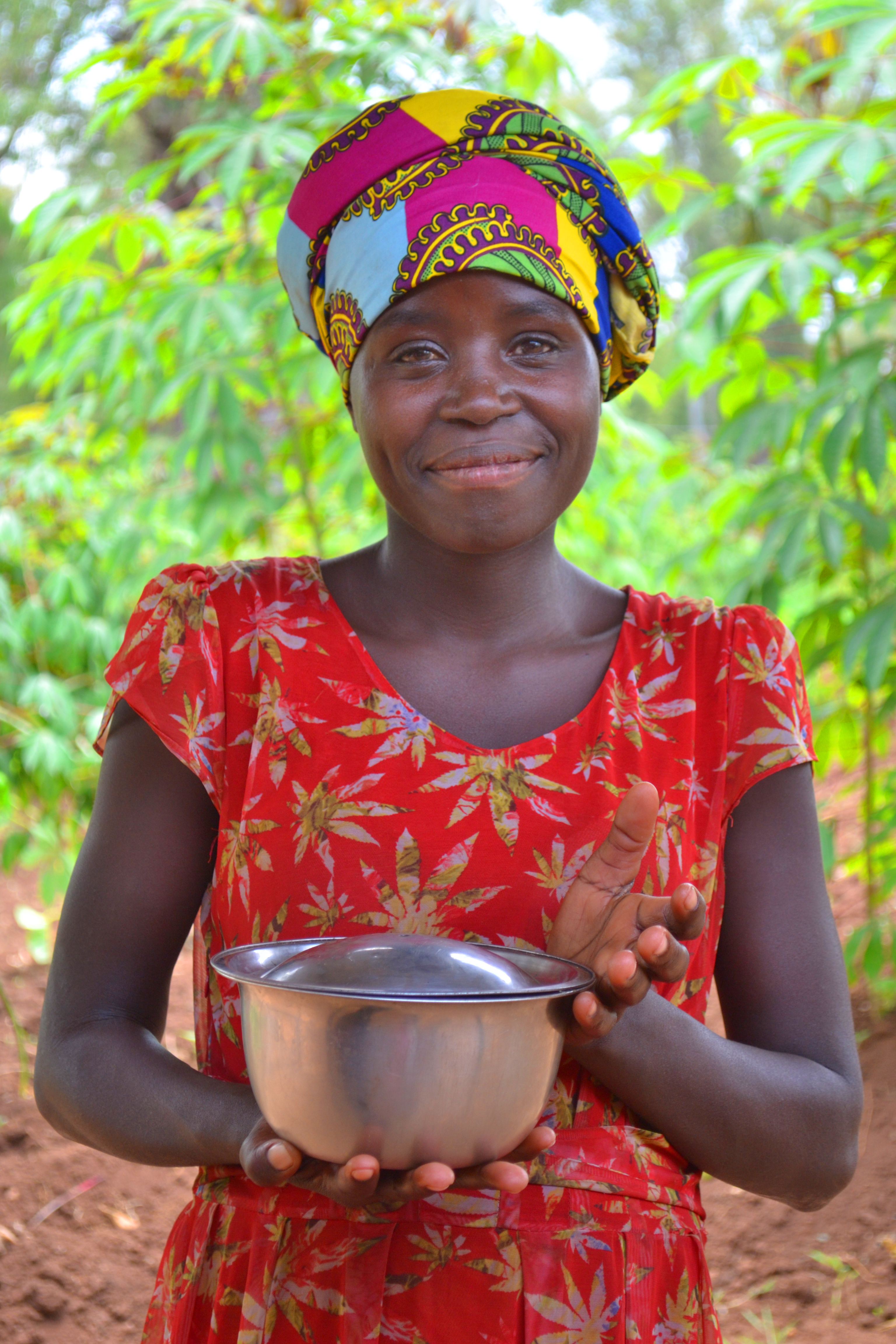
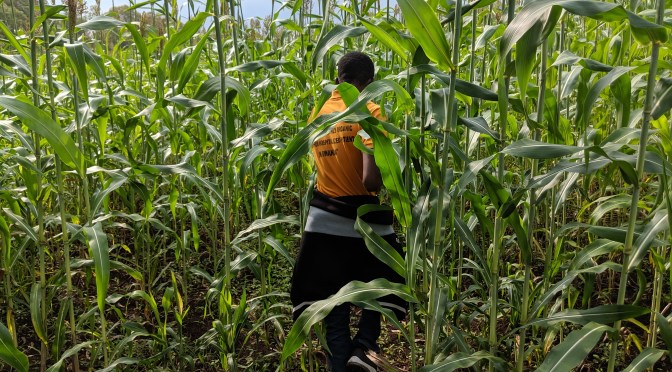
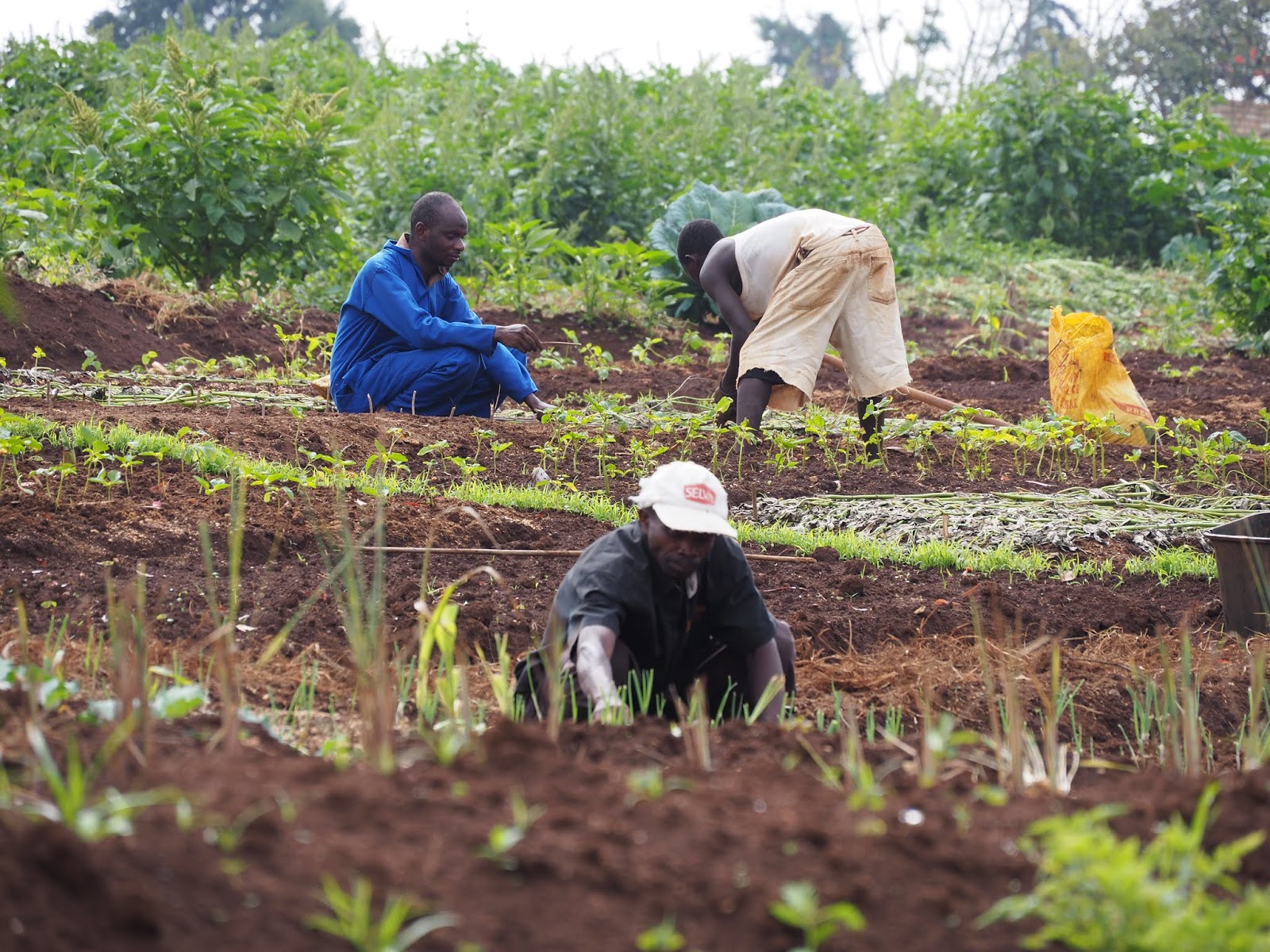
For those foreigners who view Rwanda through the lens of a short visit, it seems like a modernizing country with impressive high rises, new roads free of potholes, and modern buildings. The roads we most frequently visit are clean and paved; those that are dirt are well maintained. The houses easily seen from the road as we drive past are mostly modern in construction with tin or clay shingled rooves. We infrequently get off the main roads as all the primary destinations for tourists are on the main roads as if on a path not to be diverged from during our visits. Those who venture off these main roads see a whitewashed version of a country where subsistence farming is still the primary mode of living; where houses are constructed from mud, and often in disrepair.
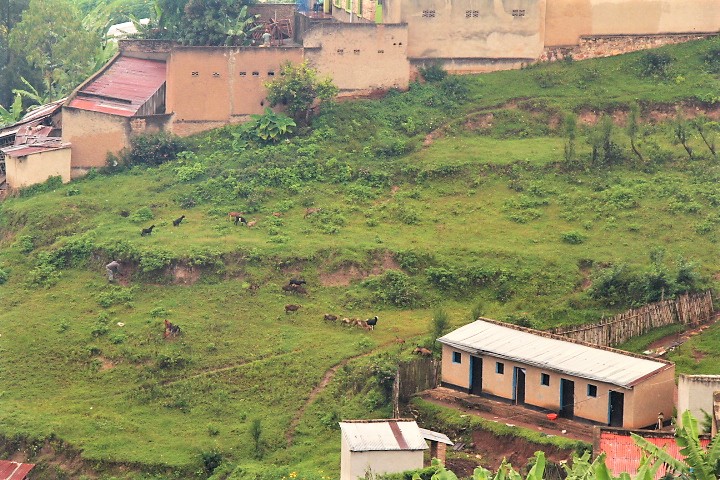
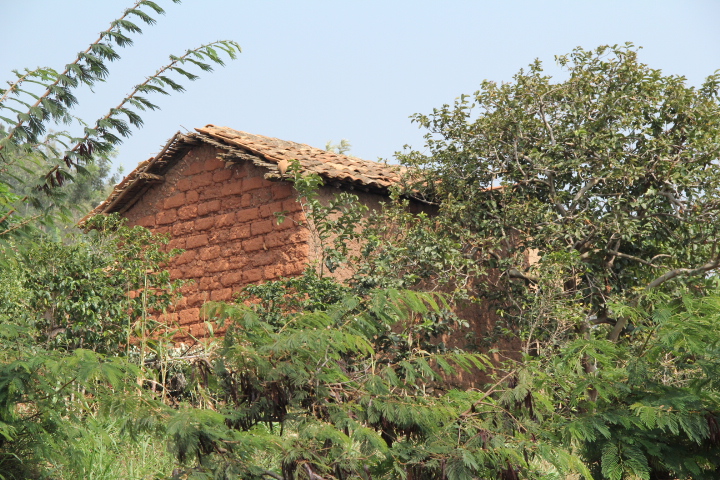
Now, I want to be clear. I don’t think there is any way a country goes from a post-colonial developing country, to “developed” status in 15 years. I’m not trying to say that the country is leaving those still living off the land behind. The government has a comprehensive plan for agriculture development for the country. What I intend to impress on you from all this is the ever-widening disparity. For those lucky and affluent enough to live on the main road, or in Kigali, life is often easy and luxurious. But, as we see in the United States, this rapid development has led to the pockets of the few being padded, with those doing the work being paid barely living wages. The myth of trickle-down economics and capitalism seem to have infected Rwanda, and the poor are the ones paying the price.
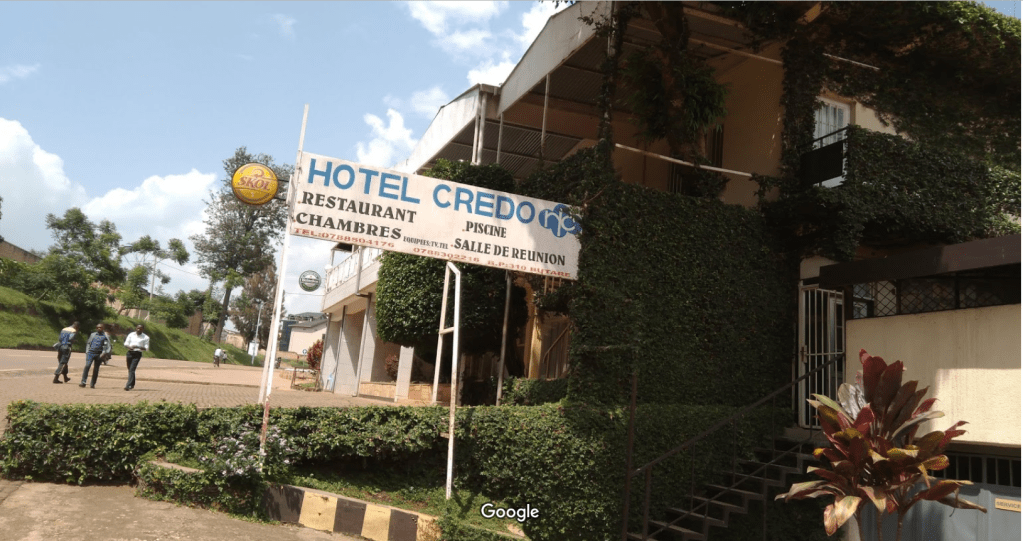
A direct example is my hotel. It is a landmark in my city, its owner also owning several other buildings and properties in the town. Despite that, the staff continues to make 50,000 RWF (about 55 USD) per month despite a single room costing up to 50,000 RWF per night. With just my stay, the owner could pay for a single staffer’s salary for two years. From an outsider’s perspective, it seems that Rwanda is well on track to become another version of the USA where those with wealth can consolidate that wealth at the expense of those supporting them. Those in the rural areas, often only a few minutes’ walk from the main road, live in single-room houses for an entire family. They struggle to feed their children or afford healthcare and other essentials.
Another area where Rwanda has faced criticism is the erasure of culture. As ethnic identities were the wedge that led to ’94, the new government of Rwanda, afraid of a repeat of history, banned the identification of distinct ethnicities in favor of a united Rwandan identity. The government went as far as banning the discussion of these identities (Lacey, 2004). The only visible places these identities are seen is in museums leading to a single version of Rwanda on display to those from the outside. But, with culture being such an integral part of many people’s identities, this has led to the erasure of identity and cultural appreciation in Rwanda. Those people who may identify differently do not have the freedom to dress according to their traditions or celebrate in the ways they would have historically.
Finally, there are the challenges of politics. President Paul Kagame came into power in 1994 as the then Vice President, now President, of Rwanda. Since that time, he has remained in power with little opposition. In recent elections, there have been questions about transparency, freedom of speech violations, and unfair imprisonment of journalists and opposition (Fox, 2019; Human Rights Watch, 2019). In a recent interview, President Kagame attempted to rebut the criticisms levied against his administration by the Human Rights Watch (Just Ridiculous, 2019). He contended that the Western world was hypocritical to levy such charges when they commit many similar acts, a challenge that seems fair. However, it does nothing to address the very real concerns outlined in the HRW report. While it is undeniable that the President has seen Rwanda out of some of the most difficult times imaginable and ushered in an incredible boom in the economy and development sectors. This argument does not negate the very real possibility that he is using similar techniques seen all over Africa and the world to suppress opposition and limit free elections and speech.
In this and the previous post, I have attempted to outline both the positive development as well as the challenges that Rwanda faces. I do not intend to put down or disparage the country, but rather educate the Western world while showing a fair and unbiased view of Rwanda’s recent changes. If I were to ask you to have specific take-aways from these posts, I think they would be as follows.
- Rwanda has faced some of the most difficult challenges in recent years and taken those challenges with dignity and pride.
- The country has seen unprecedented growth and is on track to be the shining example of sub-Saharan Africa.
- The government has goals of bringing the country into the forefront of technology and industry in the coming years.
- Despite these improvements, they still face questions in their methodology.
- The seemingly quickly increasing socioeconomic disparity threatens to mirror that of the US.
- There are very real questions regarding election fairness and journalistic freedom that need answers.
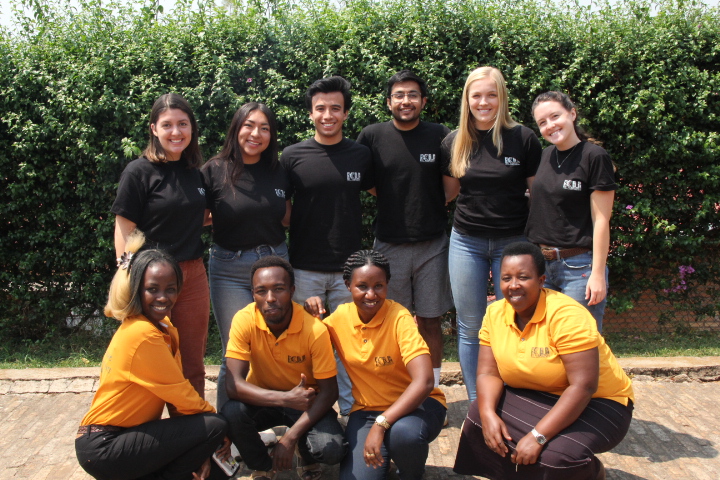
With these final thoughts, I’ll end by saying I have loved my time in Rwanda. I have seen authenticity, integrity, and genuine kindness that is hard to compare. The resilience of this country and its people are incomparable. The dedication of the Kuzamura Ubuzima staff is impressive, to say the least, and I will truly miss working with them. Rwanda has made impressive strides in recent years. I hope that they can take a critical look at the criticism it is facing and incorporate them moving forward into an age of prosperity and equality seen few other places in Africa.
Afterward: With this post, I include a list of my sources. I never want my readers to have to take me at my word. If you ever have a question about where a statement is coming from, please ask. I will do my best to justify and prove any assertion I make. Thanks for reading!
Fox, K. (2019, July 27). Opposition members keep going “missing” in Rwanda. Few expect them to return. CNN. Retrieved from https://edition.cnn.com/2019/07/27/africa/rwanda-opposition-disappearances-intl/
Human Rights Watch. (2019). Rwanda Events of 2018 [World Report]. Retrieved from https://www.hrw.org/world-report/2019/country-chapters/rwanda
“Just ridiculous”: Rwanda’s Paul Kagame dismisses EU human rights report [Interview]. (2019). Retrieved from https://www.youtube.com/watch?v=LXY1ttn-4SU
Lacey, M. (2004, April 9). A Decade After Massacres, Rwanda Outlaws Ethnicity. The New York Times. Retrieved from https://www.nytimes.com/2004/04/09/world/a-decade-after-massacres-rwanda-outlaws-ethnicity.html

 EthiopiaPCV