Taking a critical look

Several of my recent posts have mentioned the critiques and failures of the Rwandan government in its efforts to rebuild and reconcile since the ’94 genocide. I think that, as I mentioned in the last post, it is important to view a country and people through more than just the lenses of their worst moments. But, it is also important to look critically at the governments of each country and insist they do better. This applies not only to Rwanda, but the US, European countries, and every government. This post will be a critical look at Rwandan’s steps towards development and what the consequences of these steps have been.

As a refresher, in my last post, I mentioned how colonizers used ethnic identities to drive a wedge between the Rwandan people as a means of control. These ethnic divides led to distrust, and hatred that eventually ended in genocide. When the Rwandan Patriotic Front (RPF) marched into Kigali marking the official end of the genocide (at least until the flare-ups marred the recovery) they established the current parliamentary government. The government declared that the Rwandan people would “Never Forget.” New laws established by the government included extensive funding for memorials and events regularly to remember the victims of the genocide. It also included funding to rebuild, to improve infrastructure, and bring Rwanda to the forefront of development in Africa. Here’s where it gets dicey though.

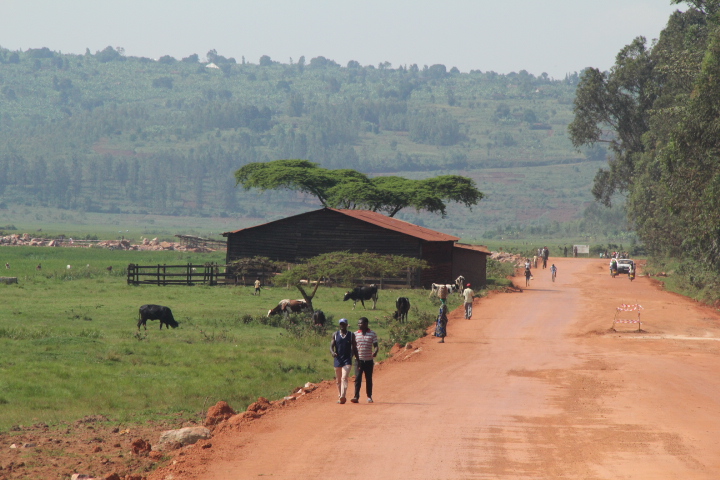
For those foreigners who view Rwanda through the lens of a short visit, it seems like a modernizing country with impressive high rises, new roads free of potholes, and modern buildings. The roads we most frequently visit are clean and paved; those that are dirt are well maintained. The houses easily seen from the road as we drive past are mostly modern in construction with tin or clay shingled rooves. We infrequently get off the main roads as all the primary destinations for tourists are on the main roads as if on a path not to be diverged from during our visits. Those who venture off these main roads see a whitewashed version of a country where subsistence farming is still the primary mode of living; where houses are constructed from mud, and often in disrepair.
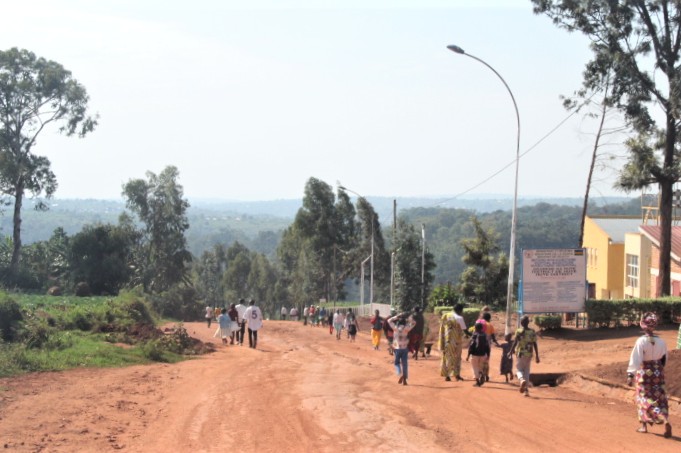
Rwandans walking down a steep dirt road to return home after church.
At least the road home after church is well maintained.
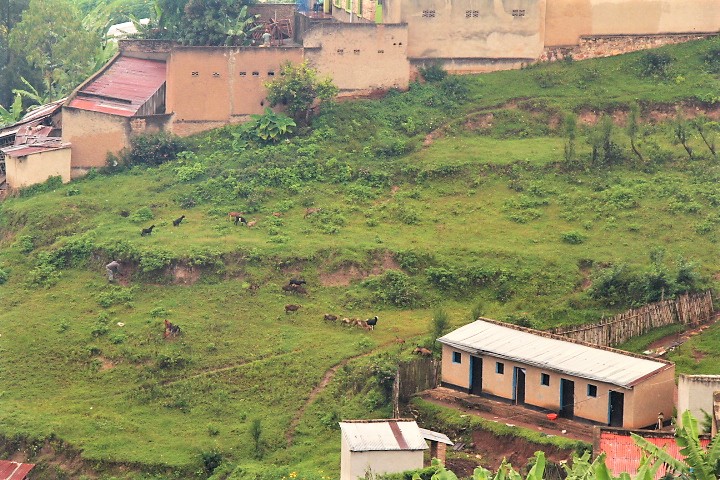
One room apartments on the side of a hill used for grazing animals.
One room per family and hearding goats.
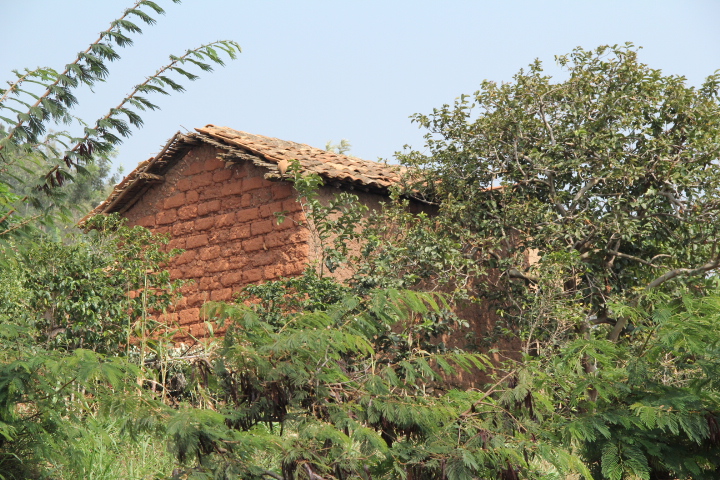
Home constructed of mud bricks hidden among the trees in rural Rwanda.
Houses made of mud are still the norm in rural Rwanda.

Now, I want to be clear. I don’t think there is any way a country goes from a post-colonial developing country, to “developed” status in 15 years. I’m not trying to say that the country is leaving those still living off the land behind. The government has a comprehensive plan for agriculture development for the country. What I intend to impress on you from all this is the ever-widening disparity. For those lucky and affluent enough to live on the main road, or in Kigali, life is often easy and luxurious. But, as we see in the United States, this rapid development has led to the pockets of the few being padded, with those doing the work being paid barely living wages. The myth of trickle-down economics and capitalism seem to have infected Rwanda, and the poor are the ones paying the price.

A direct example is my hotel. It is a landmark in my city, its owner also owning several other buildings and properties in the town. Despite that, the staff continues to make 50,000 RWF (about 55 USD) per month despite a single room costing up to 50,000 RWF per night. With just my stay, the owner could pay for a single staffer’s salary for two years. From an outsider’s perspective, it seems that Rwanda is well on track to become another version of the USA where those with wealth can consolidate that wealth at the expense of those supporting them. Those in the rural areas, often only a few minutes’ walk from the main road, live in single-room houses for an entire family. They struggle to feed their children or afford healthcare and other essentials.
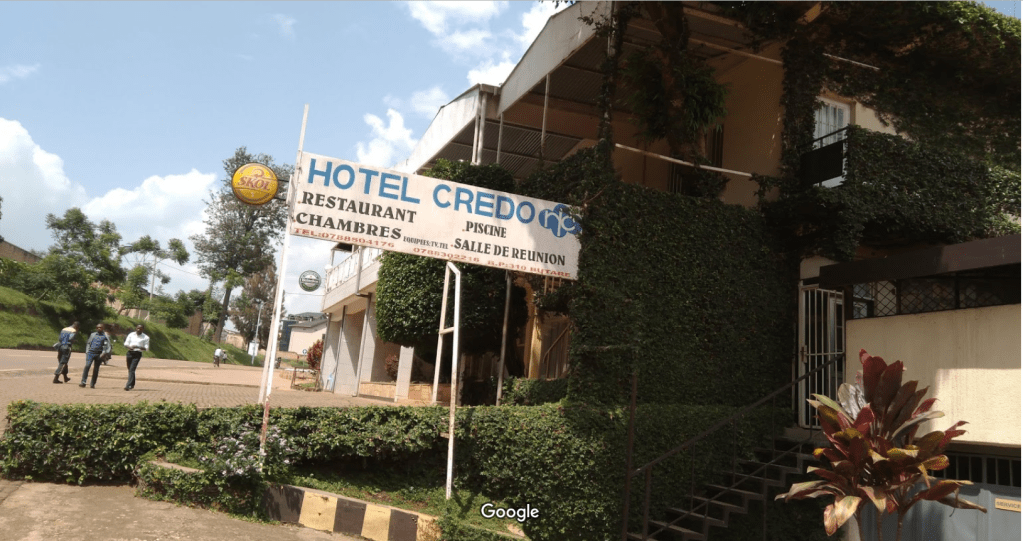
Front view of hotel Credo.
Hotel Credo, photo credits to Google.
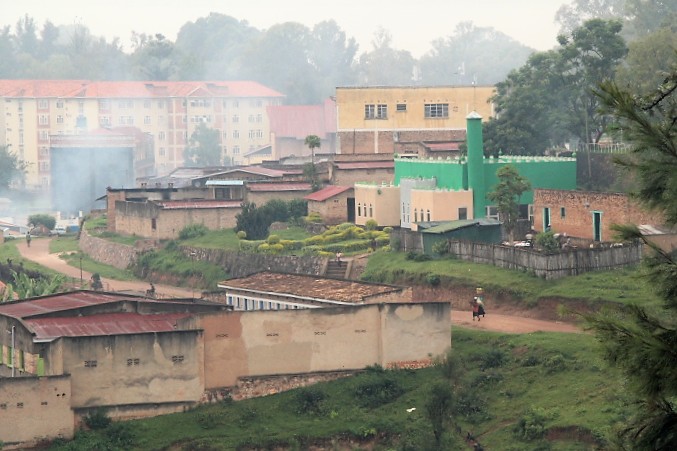
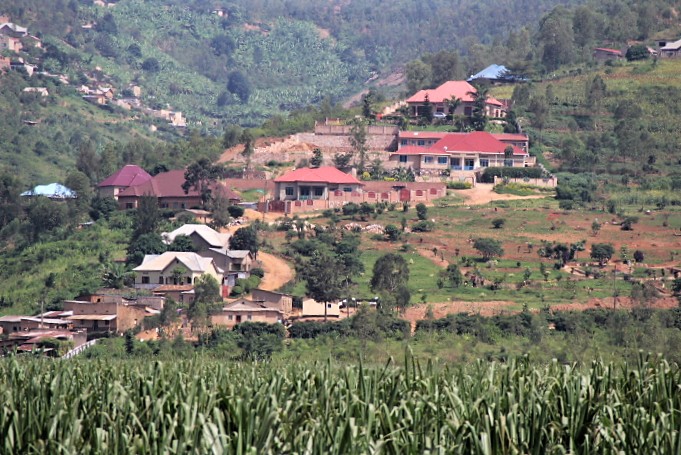
Houses on a hill in Rwanda organized from nicest on top to poorest on bottom.
In a top down economy it makes sense the houses are arranged the same.
Mosque and small homes.

Another area where Rwanda has faced criticism is the erasure of culture. As ethnic identities were the wedge that led to ’94, the new government of Rwanda, afraid of a repeat of history, banned the identification of distinct ethnicities in favor of a united Rwandan identity. The government went as far as banning the discussion of these identities (Lacey, 2004). The only visible places these identities are seen is in museums leading to a single version of Rwanda on display to those from the outside. But, with culture being such an integral part of many people’s identities, this has led to the erasure of identity and cultural appreciation in Rwanda. Those people who may identify differently do not have the freedom to dress according to their traditions or celebrate in the ways they would have historically.

Finally, there are the challenges of politics. President Paul Kagame came into power in 1994 as the then Vice President, now President, of Rwanda. Since that time, he has remained in power with little opposition. In recent elections, there have been questions about transparency, freedom of speech violations, and unfair imprisonment of journalists and opposition (Fox, 2019; Human Rights Watch, 2019). In a recent interview, President Kagame attempted to rebut the criticisms levied against his administration by the Human Rights Watch (Just Ridiculous, 2019). He contended that the Western world was hypocritical to levy such charges when they commit many similar acts, a challenge that seems fair. However, it does nothing to address the very real concerns outlined in the HRW report. While it is undeniable that the President has seen Rwanda out of some of the most difficult times imaginable and ushered in an incredible boom in the economy and development sectors. This argument does not negate the very real possibility that he is using similar techniques seen all over Africa and the world to suppress opposition and limit free elections and speech.

In this and the previous post, I have attempted to outline both the positive development as well as the challenges that Rwanda faces. I do not intend to put down or disparage the country, but rather educate the Western world while showing a fair and unbiased view of Rwanda’s recent changes. If I were to ask you to have specific take-aways from these posts, I think they would be as follows.

  • Rwanda has faced some of the most difficult challenges in recent years and taken those challenges with dignity and pride.
  • The country has seen unprecedented growth and is on track to be the shining example of sub-Saharan Africa.
  • The government has goals of bringing the country into the forefront of technology and industry in the coming years.
  • Despite these improvements, they still face questions in their methodology.
  • The seemingly quickly increasing socioeconomic disparity threatens to mirror that of the US.
  • There are very real questions regarding election fairness and journalistic freedom that need answers.

With these final thoughts, I’ll end by saying I have loved my time in Rwanda. I have seen authenticity, integrity, and genuine kindness that is hard to compare. The resilience of this country and its people are incomparable. The dedication of the Kuzamura Ubuzima staff is impressive, to say the least, and I will truly miss working with them. Rwanda has made impressive strides in recent years. I hope that they can take a critical look at the criticism it is facing and incorporate them moving forward into an age of prosperity and equality seen few other places in Africa.

Afterward: With this post, I include a list of my sources. I never want my readers to have to take me at my word. If you ever have a question about where a statement is coming from, please ask. I will do my best to justify and prove any assertion I make. Thanks for reading!

Fox, K. (2019, July 27). Opposition members keep going “missing” in Rwanda. Few expect them to return. CNN. Retrieved from https://edition.cnn.com/2019/07/27/africa/rwanda-opposition-disappearances-intl/

Human Rights Watch. (2019). Rwanda Events of 2018 [World Report]. Retrieved from https://www.hrw.org/world-report/2019/country-chapters/rwanda

“Just ridiculous”: Rwanda’s Paul Kagame dismisses EU human rights report [Interview]. (2019). Retrieved from https://www.youtube.com/watch?v=LXY1ttn-4SU

Lacey, M. (2004, April 9). A Decade After Massacres, Rwanda Outlaws Ethnicity. The New York Times. Retrieved from https://www.nytimes.com/2004/04/09/world/a-decade-after-massacres-rwanda-outlaws-ethnicity.html
My Top 5 in Rwanda

I feel that many of my blog posts recently have been negatively focused. Talking about things like the genocide doesn’t make for happy reading. Therefore, I decided I would focus this post on my favorite things about this country, so here goes.
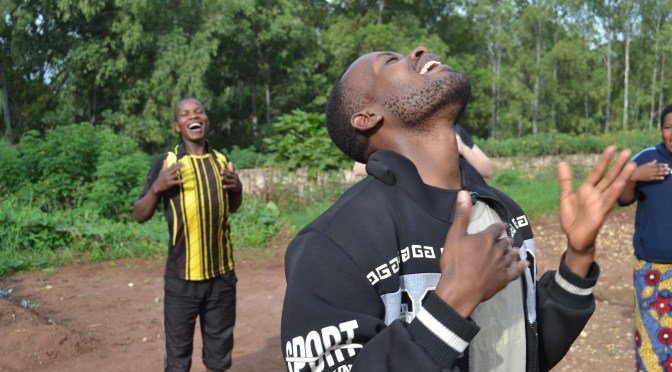
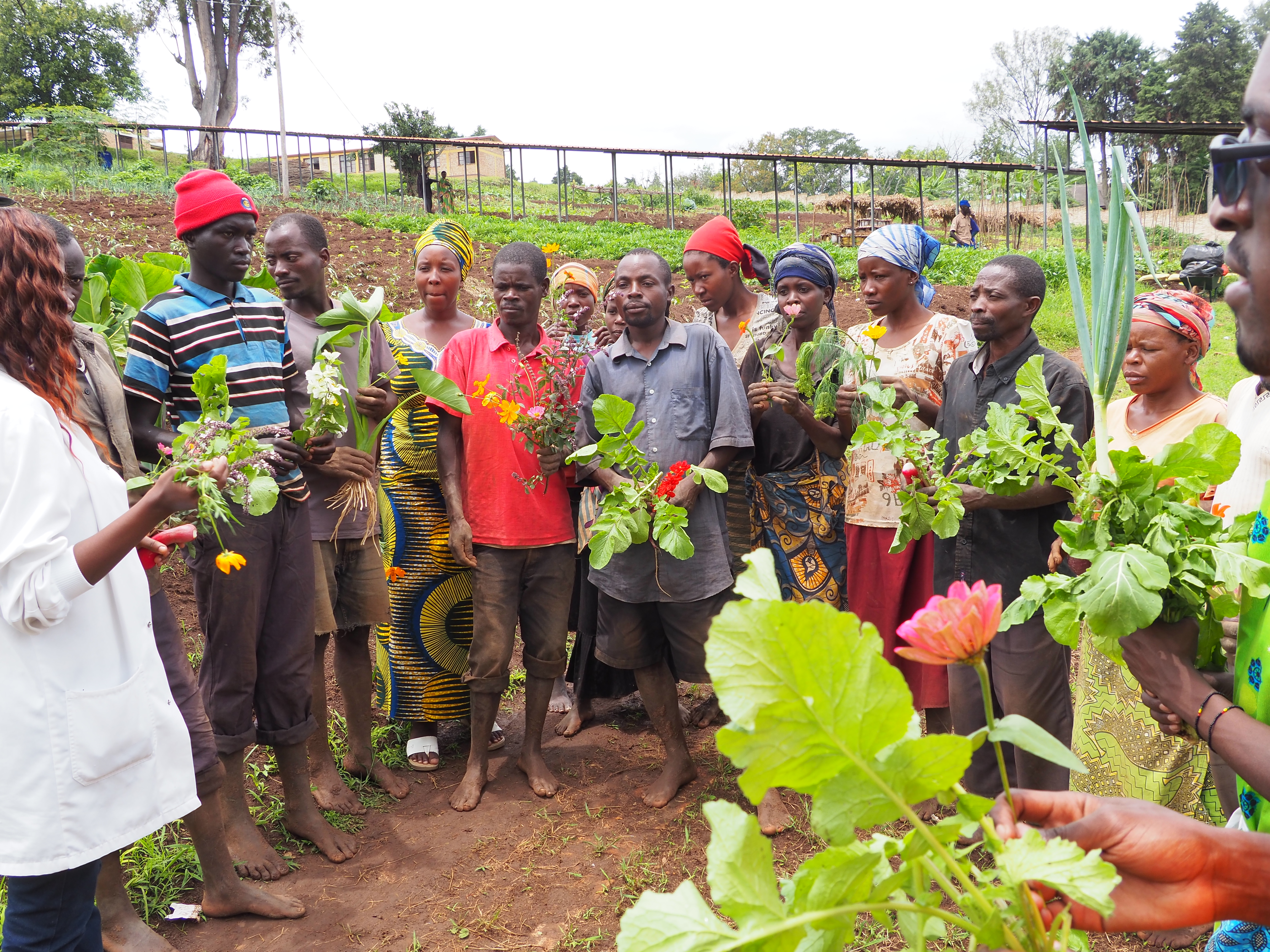
1. The people here are amazing. I’ve mentioned their resilience before. But, they truly are truly kind people despite all the challenges they face. Similarly to Ethiopia, if you see someone on the street that you know you stop and ask how they are and about their family. But, not just out of culture, but because they truly care. I feel like I am leaving yet another family as I prepare to leave Rwanda. I feel lucky to have so many people all over the world who care about, and who I care for.

Rwandans holding greens from the garden and listening to training.
Locals learning about farming and nutrition.
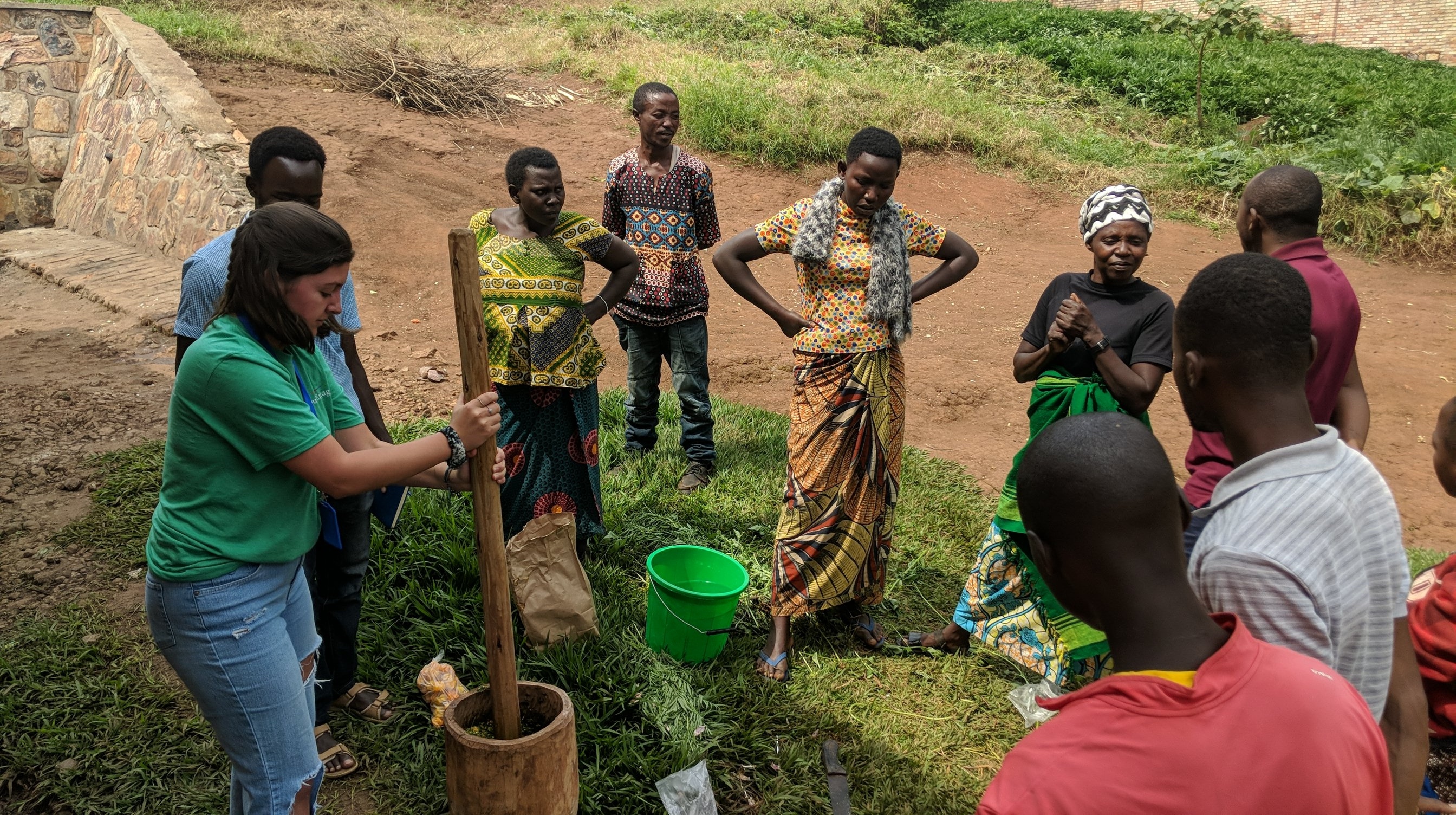
Rwandans watching a student grind organic pesitcide in a giant mortal and pestle.
Us doing new things is always a source of entertainment for the locals.

2. The environment here is spectacular from the weather to the green policies the country has in place. Walking down the street, you rarely see trash, and the green lushness of the country is wonderous.

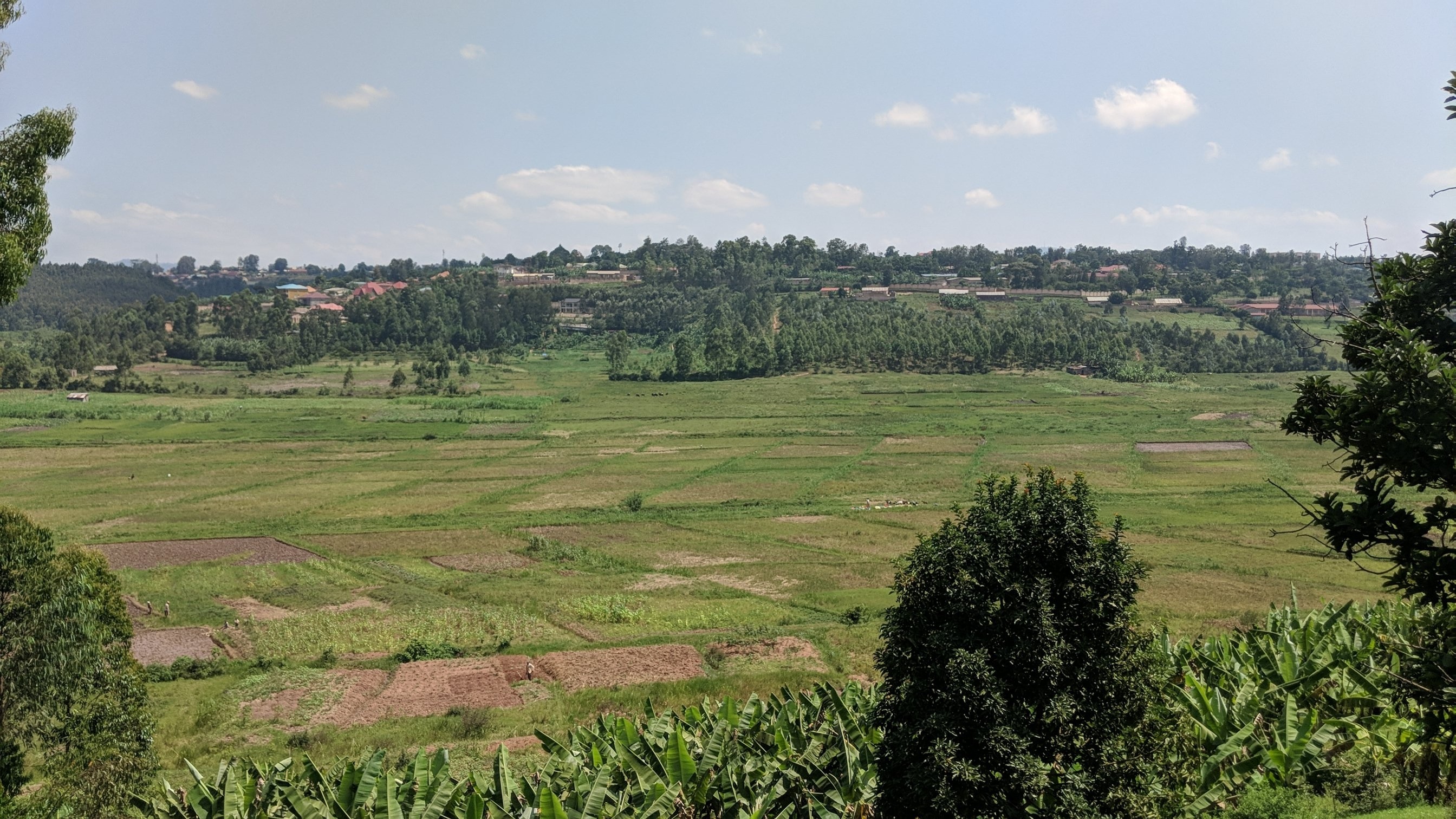
Valley with rice fields overlooked by houses on the hill in the background.
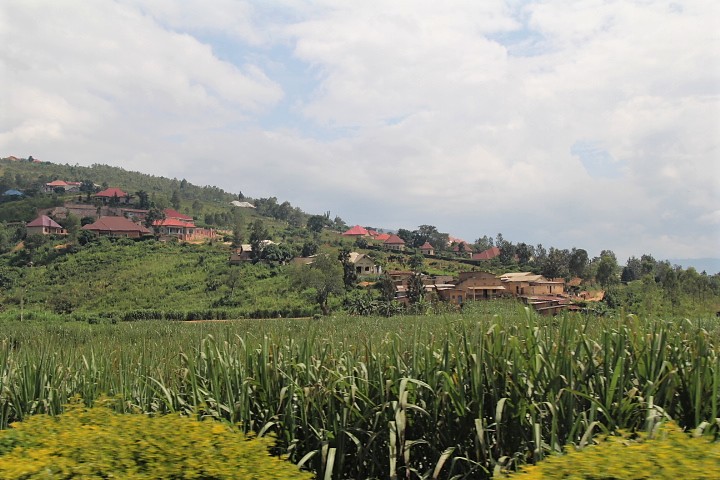
The valleys here are mostly composed of rice fields while th hills are used for housing and other forms of agriculutre.
Fields of maize and houses on a hill.

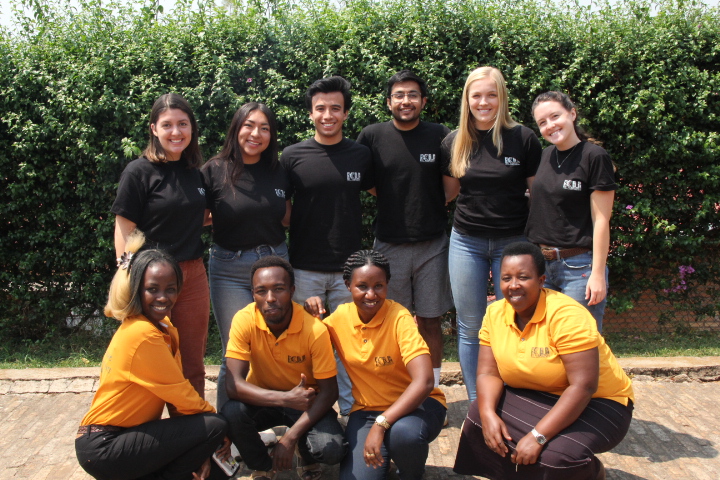
3. The Kuzamura Ubuzima staff could probably go under “the people,” but they are so great I feel like they deserve their own section. The KU staff went above and beyond in every sense to support us. They helped with our work, our cultural integration, and even our individual problems. They even opened up about their personal lives and agreed to be interviewed by our students so they could know more about Rwanda and life in this wonderful country. If you want a non-profit to support, these people deserve your money! About the staff.

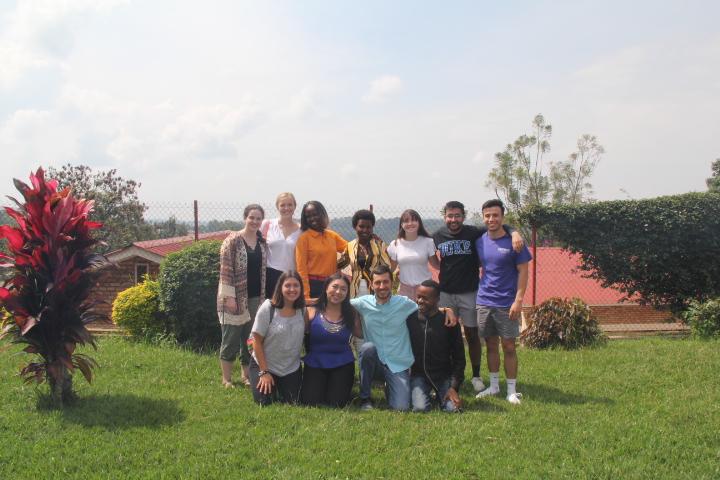
Students and KU staff group photo.
Our amazing KU staff with the students.
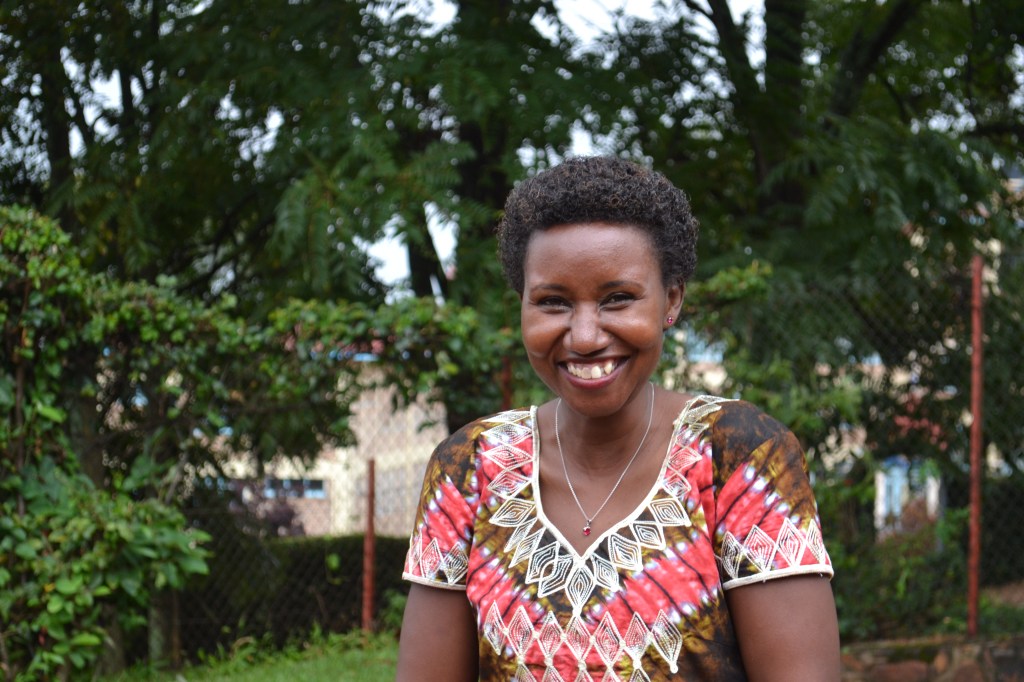
Woman smiling wearing a colorful traditional dress.
Laurette, KU’s fearless leader, wearing Kitenge.
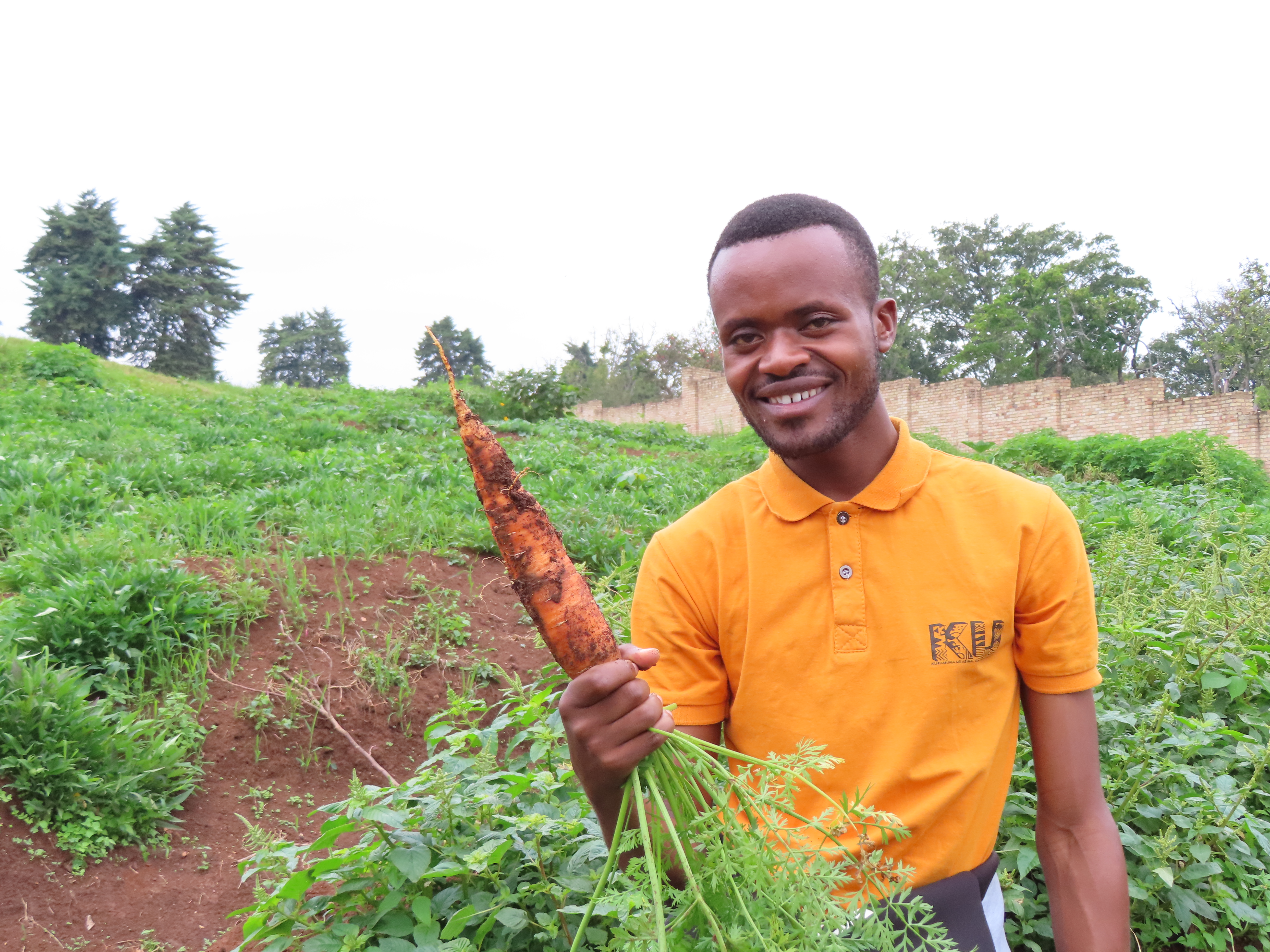
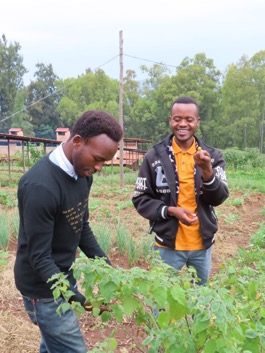
Emmanual holding a carrot from the farm.
Emmanual and Alex are affectionatley known as Emmalex.

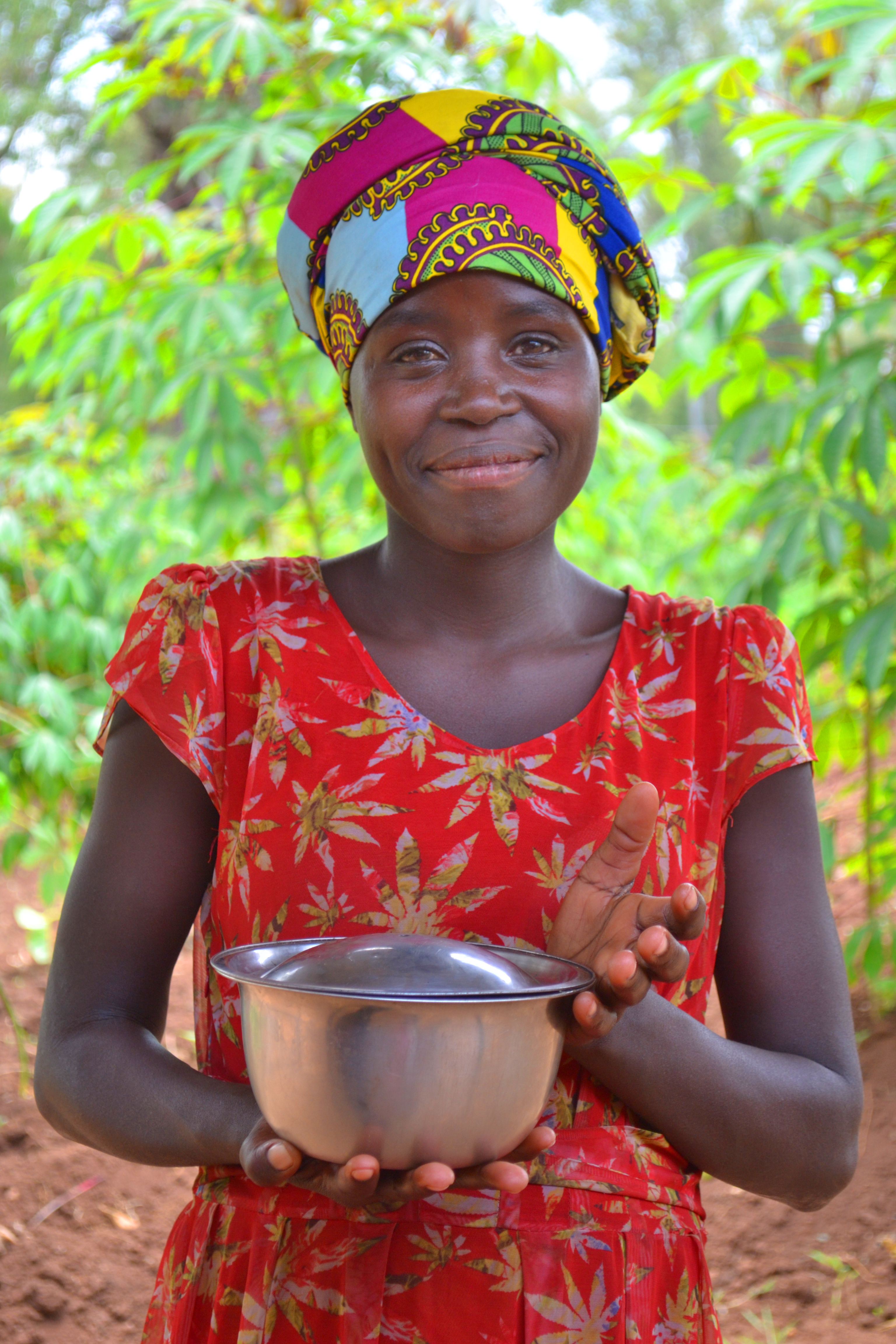
4. Kitenge clothing is the traditional method of using very colorful patterns and styles to dress. Rwandans are very proud of their Kitenge, and it is very common to see women in dresses, and men in shirts made in this style. I even got a Kitenge vest hand made in the style, although mine is admittedly more subdued than many of the patterns.

Woman holding pot wearing a red Kitenge dress and a multi-colored head wrap.
Traditional Kitenge clothing.

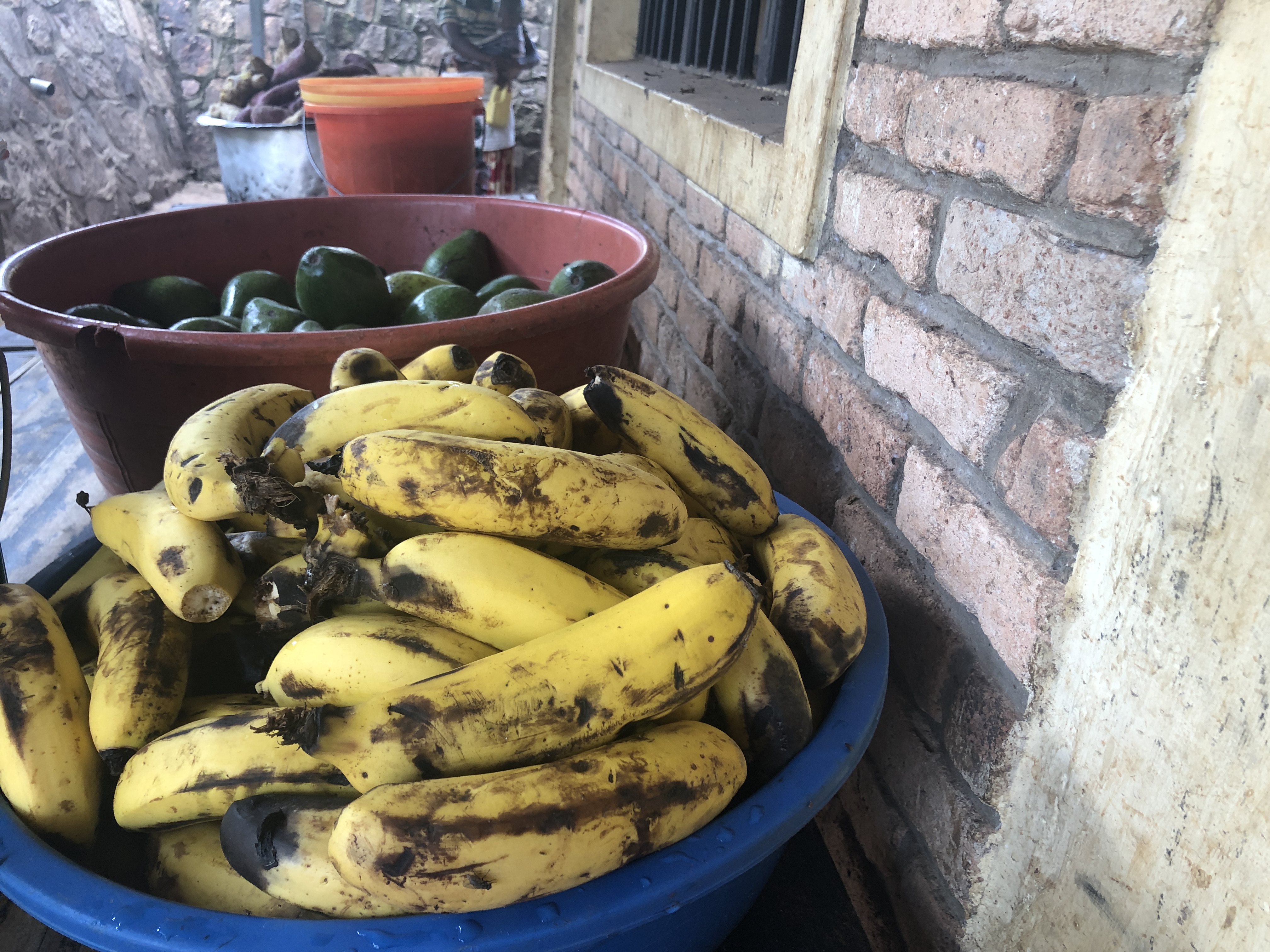
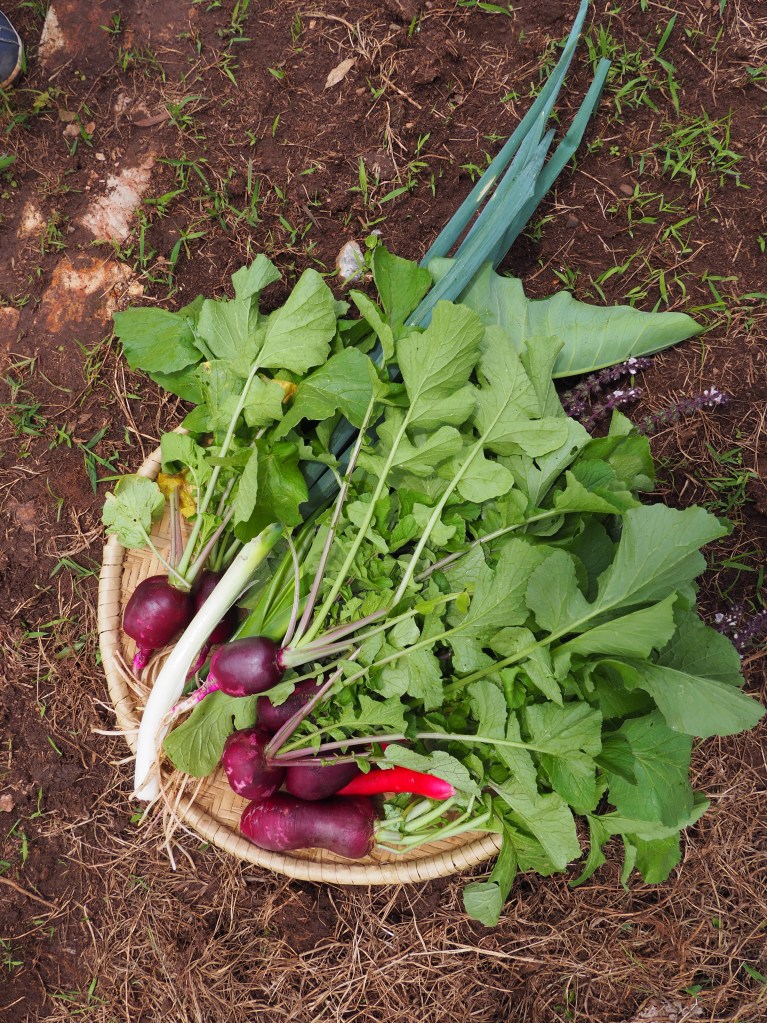
5. Fresh fruit (and veggies)! I know, out of all the things I could have picked I go with my stomach. But, if you’ve ever had fresh fruit picked the day before ripe off the tree you understand. The fruit here is so tasty and fresh. I will miss eating passion fruit and baby bananas every morning with breakfast. If anyone knows where I can buy Tamarillos (known locally as Tomato Tree fruit) hit me up!

Bananas and avacados picked that morning.
Fresh veggies from the farm.
Veggies straight from the farm taste better!

Bonus: Also, it wouldn’t be me if I didn’t say BEES! Even though I didn’t get to play with any this trip. 😦

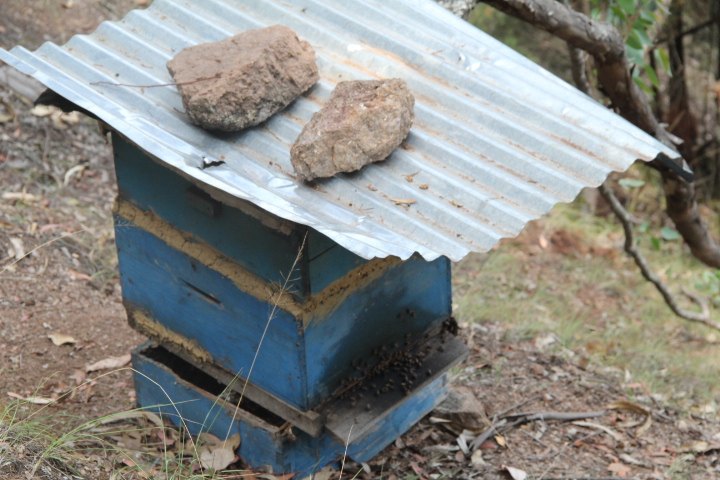
Modern beehive

I feel completely honored and privileged to have been able to participate in this program and to feel accepted into Rwanda by all the amazing people I’ve met here. It would be impossible to sum up my experience in a simple post like this, but I hope you can see from these things how rich and beautiful a culture Rwanda has.

I have one final blog post going up in a few days, so keep an eye out for it. It should be a doozy.

Healing from Genocide

Alright readers, it’s time to have a talk. No, not that “talk” the talk about labeling countries like Rwanda and Ethiopia. I doubt there is a DukeEngage participant, or Peace Corps Volunteer who on announcing they were going to Rwanda or Ethiopia didn’t get comments like “the genocide country,” “Isn’t that the country with all the starving kids,” and the like. While many of you have even said these things to me, I want to impress on you that these generalizations and stereotypes, while perhaps based on historical truths are harmful.
You see when you generalize a country to its worst moment, or its hardest trials you are suppressing them. You view them as inferior, as backward, and through a patronizing lens that has been so hurtful throughout history and still plagues aid and development work. Yes, the genocide happened, yes, Ethiopia had a famine and is still struggling to feed its poorest, but these are not the attributes that define the countries.
This post isn’t intended to be just a rant, rather an opportunity to learn. So instead of defining a country by its worst moments in history, here are some ways to think of them in a fairer light. When you talk about Ethiopia, why not say “oh, the birthplace of coffee,” “oh, isn’t that the place that has over 80 different distinct ethnic groups,” or “isn’t that the country where a new Prime Minister just appointed a cabinet with 50% women to increase representation?” When thinking about Rwanda you could go with “the country that has seen so much improvement in recent years that it is used as an example for a country’s capacity to improve and develop,” or “the country that is famous for its work in reconciliation and peace building.”
By changing the way you think about a country and its people you elevate them. You allow them to be more than their worst moments, and encourage growth, development, and friendship. Now, I am aware that for many of us, all we will know about a country is the major issue that stands out about them. In those situations, I encourage you to reframe your statements. One way to accomplish that is by opening up a conversation, “you know, all I really know about Rwanda is what I’ve heard about the genocide, I’d love to know more.” By intentionally putting yourself into a learning position you open yourself to conversations instead of reducing the recipient to a “yes” or “no” answer. In a world where words matter, now more than ever, using these simple strategies brings you closer to your conversation partner, as well as a culture and history that you might find interesting.
Now, all that being said. Things like the genocide are still a prominent and important part of history and deserve to be discussed. So, for the rest of this post, I want to share some observations about Rwanda in the wake of the genocide.
The students and I recently visited the Kigali Genocide Memorial Museum. There we saw some of the causes, impacts, and effects of the genocide. For those of you who ventured a guess, you’re right, colonialization played a big role in its instigation (not to mention how Western Society completely ignored the signs and direct warnings and are complicit in allowing it to happen). Colonizers exploited and worsened ethnic divides, using them as a means to divide and control the population. These fires were stoked until one day in 1994 the conflict erupted with a Hutu massacre of around a million Rwandan Tutsis. The horrors that happened during the genocide cannot be overstated. From the intentional targeting of children to ensure the Tutsis could not repopulate to people buying the bullets for their killers to use so that they could be shot instead of beaten to death.
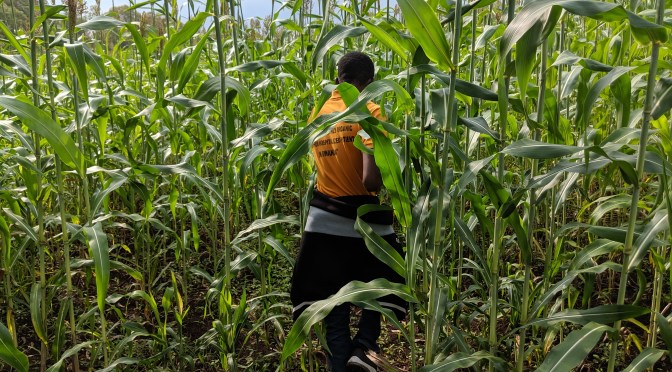
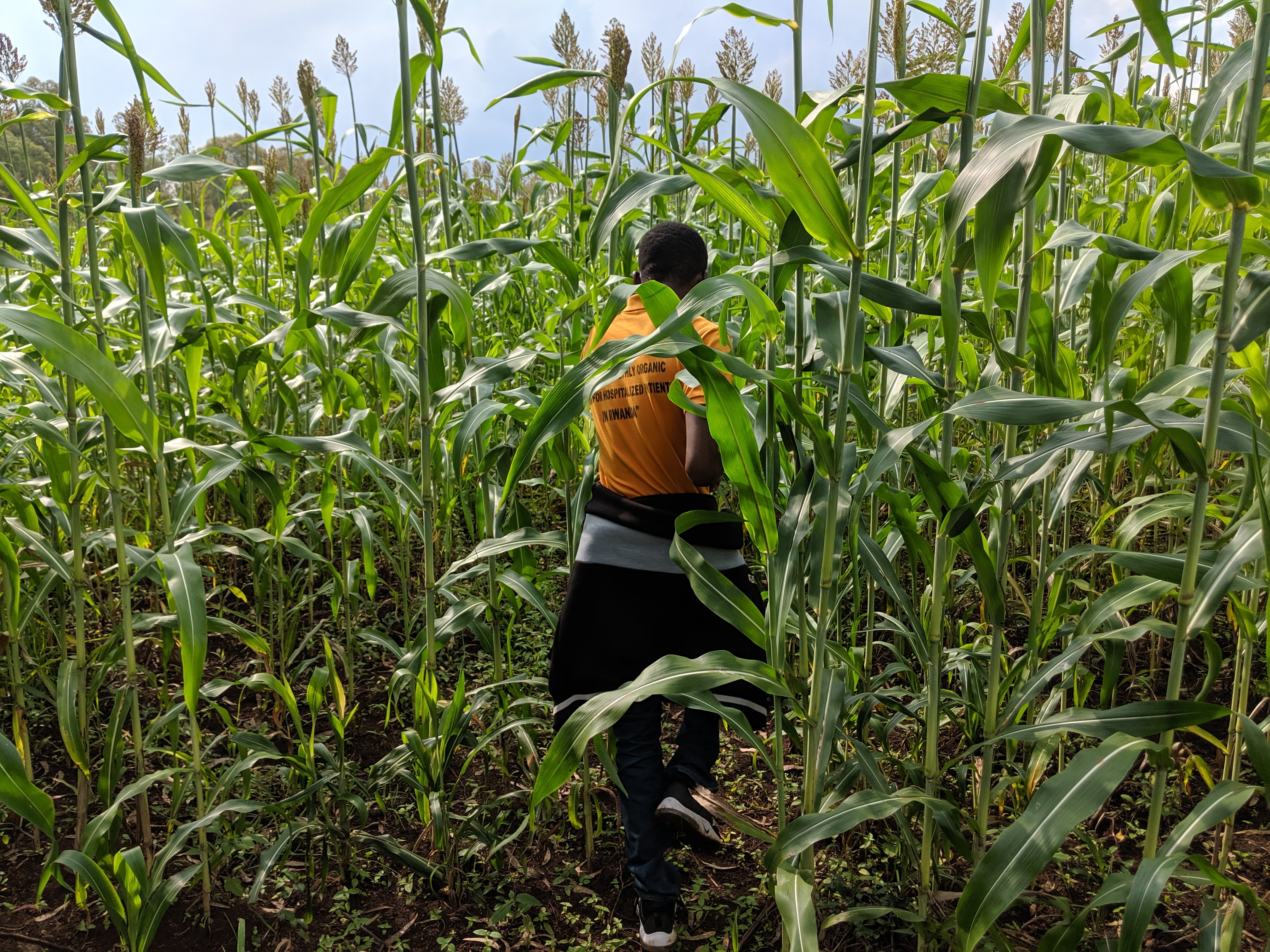
This week the students interviewed the staff of Kuzamura Ubuzima (KU) our partner organization and suffice it to say each interviewee was deeply impacted and scared by the events of ’94. Personally, the story I will always remember is when one of the staff was giving us a tour of the farm. As we walked through a field of Sorghum and he said “Rwandans love fields of Sorghum,” when asked why he said, “because they are great places to hide…at least until they send the dogs in.” The casualness of the statement and the impact of the words left us speechless; each of our staff, along with most adult Rwandans have these stories.

A KU staff member gives us a tour of the Sorghum fields.
Sorghum fields are good to hide in.

But, these types of stories can be looked up online. What I want to highlight is the often overlooked aspects of the genocide. The healing, the reconciliation, and the mind-blowing resilience of its survivors. You see, despite each of our staff sharing these stories, what really defines them is what they said and did after; they forgave, they healed, and then turned their attention to helping others. If you want to understand more about how that happened on a country-wide level, I suggest you do an internet search. Some aspects with plenty of information you could start with include Gacaca Courts, Peace Villages, and the like. Here I will write about what individuals did. You see, many of them went home and found themselves living next to their families’ murders. You’d think that this would lead to more tension, conflict, and hate. I’m sure in some cases that’s true. But, for most, it isn’t. Instead, Rwandans (including our staff) met with their neighbors, they found common ground, fostered understanding, and began a long healing process. For some perpetrators, that involved helping on their neighbor’s farm because with the loss of their fathers and sons the crops were rotting. For others, it meant rebuilding the houses they had burned to the ground. This has led Rwanda to be considered one of the safest countries in Africa. It has led to the extreme boom in development of its infrastructures, and green laws that include the banning of all plastic bags in the country. Today when you ask our staff about living next to their family’s killers they respond with how they have forgiven them. How when they walk down the street they greet them, or how their children play together after school. This forgiveness isn’t an act, it isn’t isolated, it is nearly universal, and for those of us on the outside looking in it is impossible to understand.

Despite this forgiveness, the wounds never fade. The absences are felt daily, but never more than on occasions such as weddings and birthdays with the empty places where mothers, fathers, sisters, and brothers should stand. That is why you can’t drive more than 30 minutes on a major road without seeing a memorial. That’s why communities come together yearly to remember their lost loved ones. And that’s why the country has vowed to “never forget.”
I could go on for days about the changes Rwanda has made in recent years (not forgetting the criticism that has been levied against the country as well), but this post is already long. So instead I will leave you with this. Words matter, they portray thoughts and impressions and impact those who hear them; they can create friends or enemies, they can tear down or build up. This is, perhaps, never more evident by the words that stoked the hatred surrounding the Rwandan Genocide. I hope you will use Rwanda’s story to hold up this and other countries and people and to choose words that build up or at least open a dialogue. Yes, in 1994 Rwandans committed one of history’s most infamous acts of violence. But, don’t leave out the fact that they then took responsibility and out of tragedy built something beautiful.

Halfway There

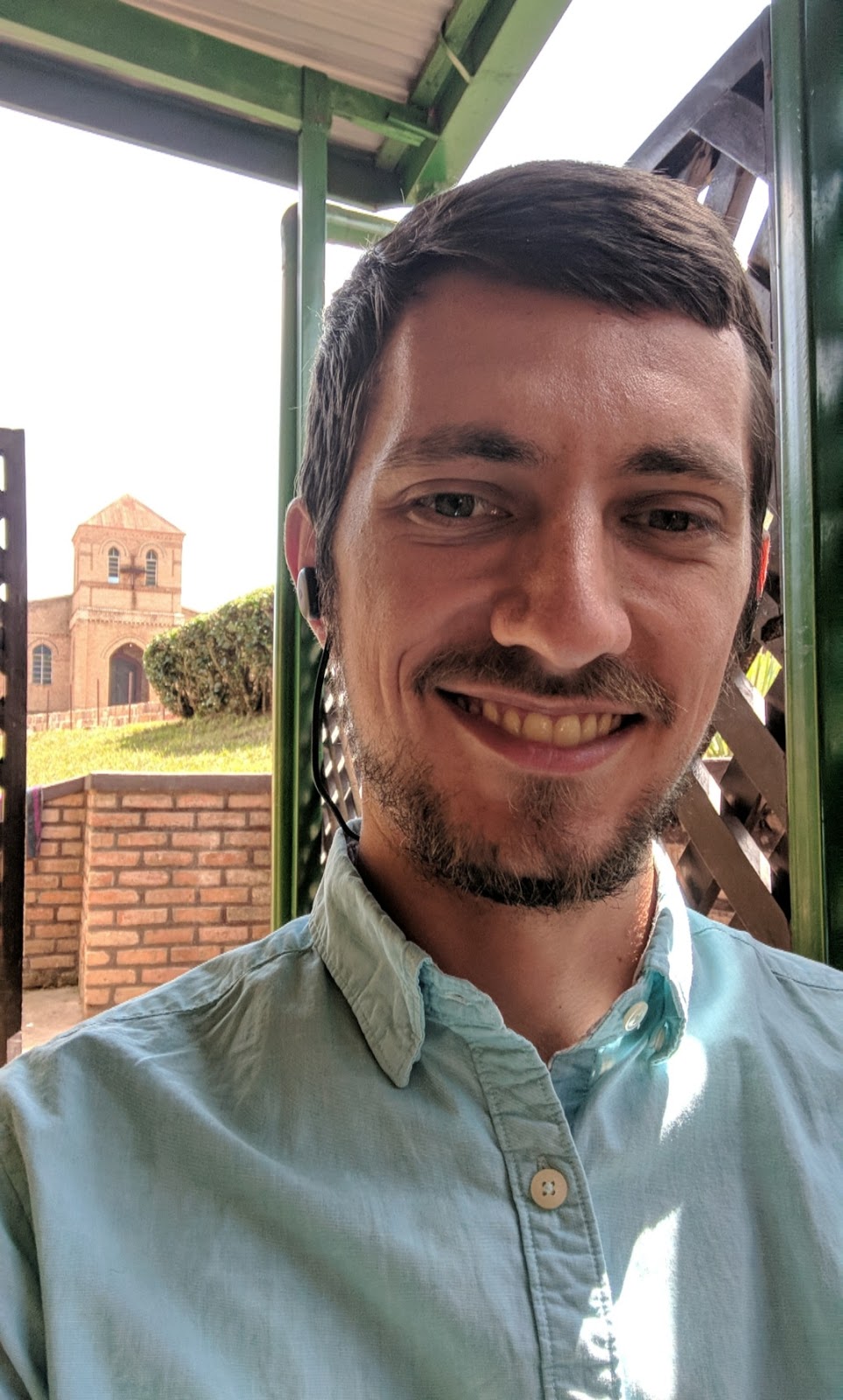
Trey in front of a church.
Look who needs a hair cut! Where’s your favorite barber when you need him?

It’s hard to believe I’ve already been in Rwanda for a month. We’ve passed the half-way point in our program here and it seems like there is so much left to be done. Our students are hard at work, but, I know they have begun to understand the daunting challenges they’ve taken on. As previously mentioned, we have three groups of students working on separate tasks.

Our Nutrition team has taken on creating a unified curriculum manual for use by our Rwandan nutrition educators. They also are working to develop a more effective Monitoring and Evaluation plan so that we can better understand the impacts of our work here.
The Agriculture group is developing a comprehensive strategy for improving our farm. Currently, the farm is operating on nearly entirely organic principles, with a few exceptions. We are developing strategies to shift over to a 100% organic farm structure. With all the unique challenges that farming in Africa brings they have their plates full, but some other projects they are working on include an irrigation system, organic pest control methods, a drying/seed starting house, and creating a self-sustaining food forest.
Finally, our Sustainability team is dedicated to providing long term sustainable funding sources for the organization. With an operating budget of less than 30 thousand USD per year Kuzamura Ubuzima (Growing Health), our partner organization, feeds breakfast and lunch to about 110+ mothers and children facing the effects of malnutrition here in Butare. Since the beginning of the project, KU has not missed a feeding even a single day! Probably the biggest challenge the organization faces is how to continue funding our work and allowing the organization to grow and feed the remainder of those in the current hospital, as well as to begin serving other local medical facilities who are also asking for assistance. As with many non-profits, KU faces the challenge of a greater need than they can realistically meet in this stage of their growth and development.
I am truly enjoying working with the students, but, perhaps more impressive is our staff. KU employs five primary staff members, along with a little more than twenty support staff. The KU staff have faced extreme horrors during the 1994 genocide, and yet, they came out more determined and dedicated to helping their country. The country experienced the unimaginable, but they have found a way to forgive, move past, and rebuild their country. Larette, Vanessa, Emmanuel, and Alex especially have been kind enough to share their work, lives, and stories with us and I am extremely grateful that they continue to support us and their community.
If you want to support Growing Health and the amazing work we are doing, please head to the websiteand click “donate”. (One of our projects is editing the website so please excuse our digital dust!)

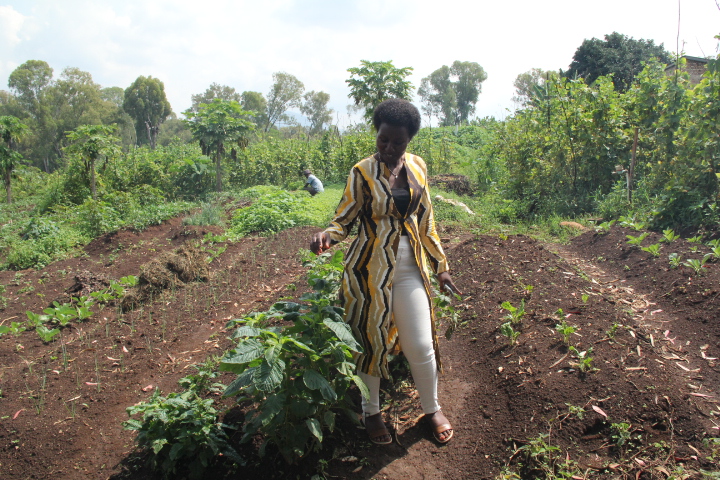
Person stands in farm giving explanation.
Laurette, KU’s President explains how the farm functions to feed the beneficiaries. 

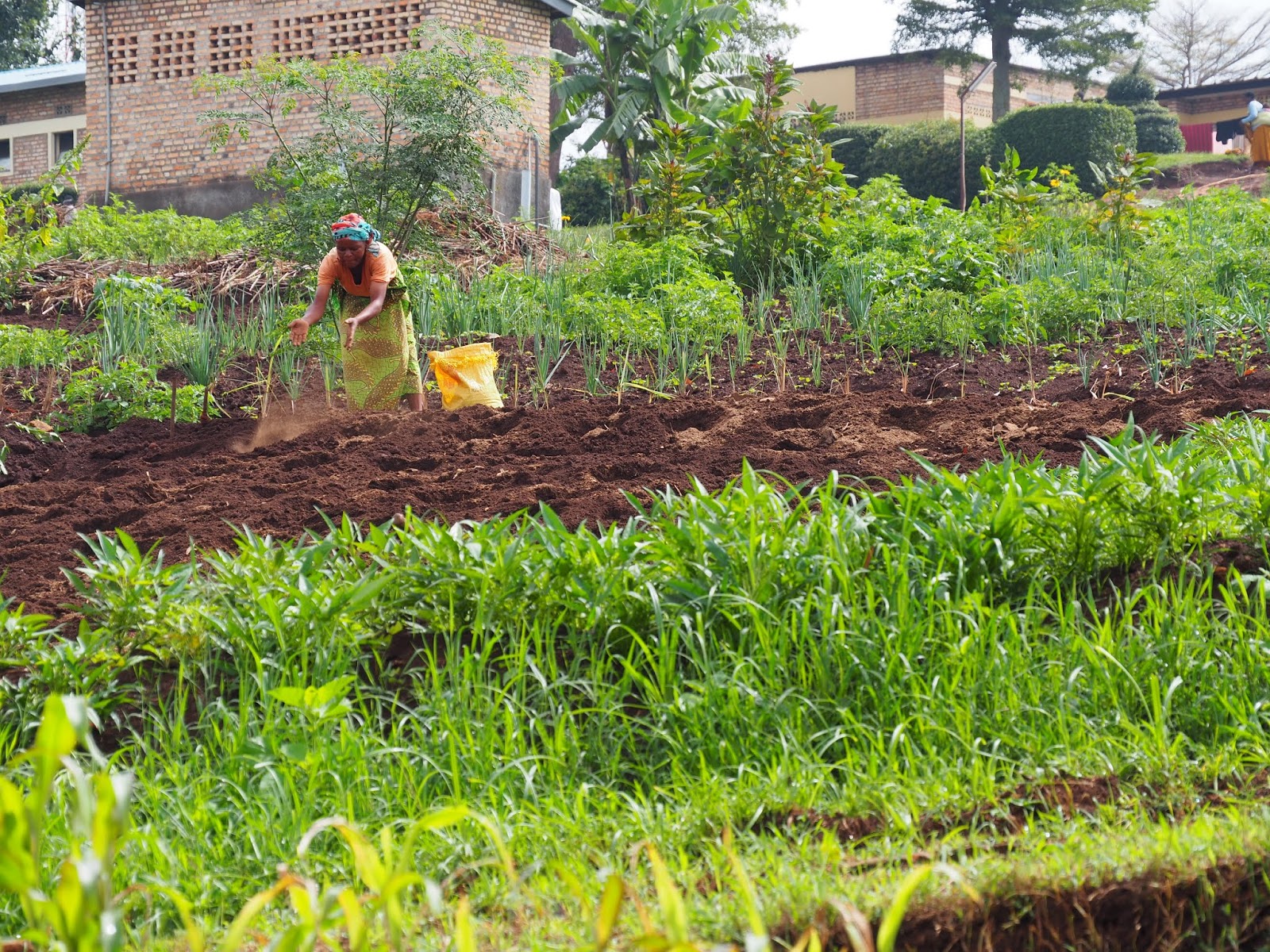
Woman throws out mulch on fields.
Mulching conserves water and helps prevent weeds. This is especially necessary during the dry season.
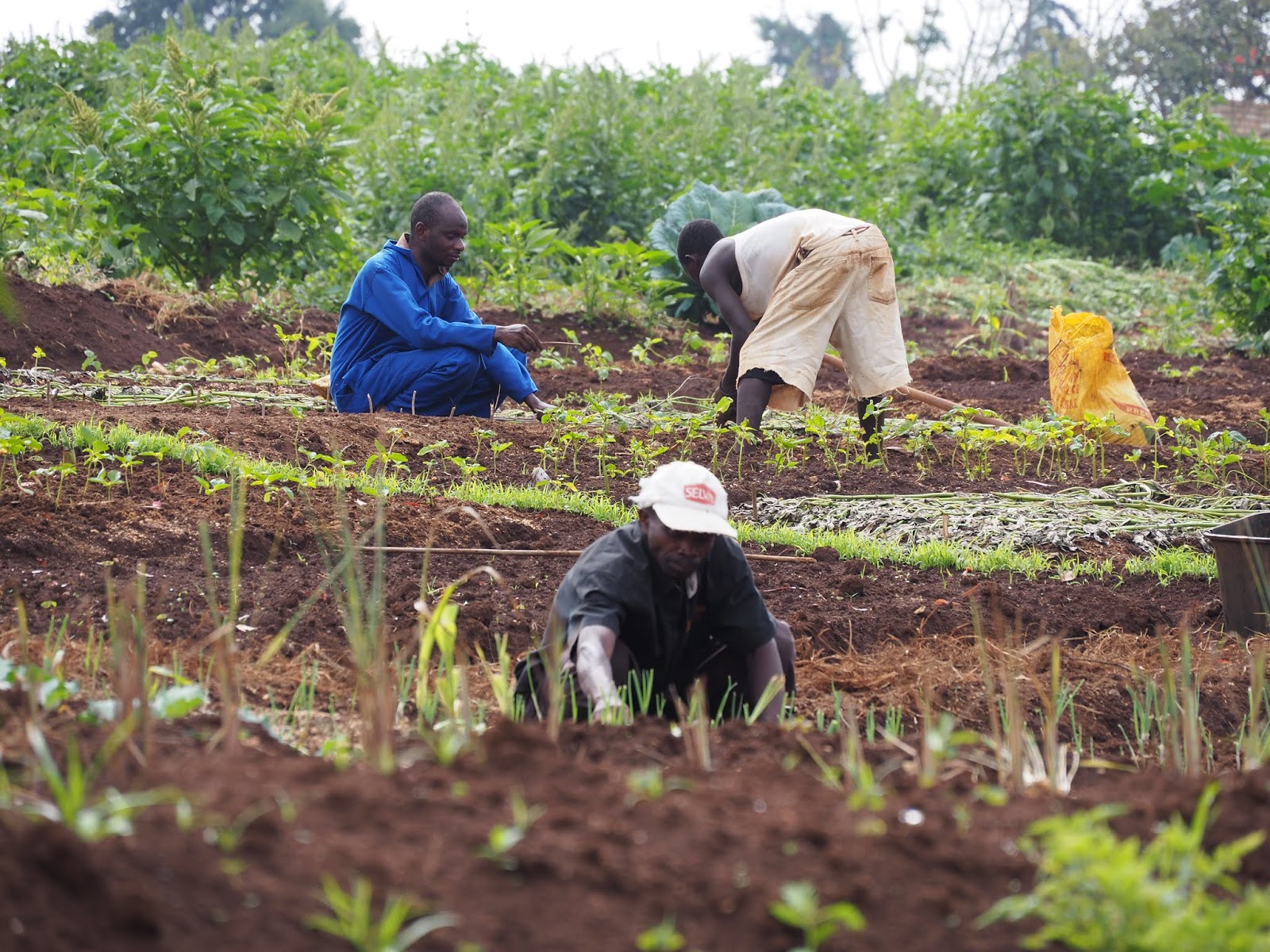
Farmers working fields.
Our farmers hard at work. Every farmer we hire is selected carefully and based on the need of the farm as well as the farmer and their family.
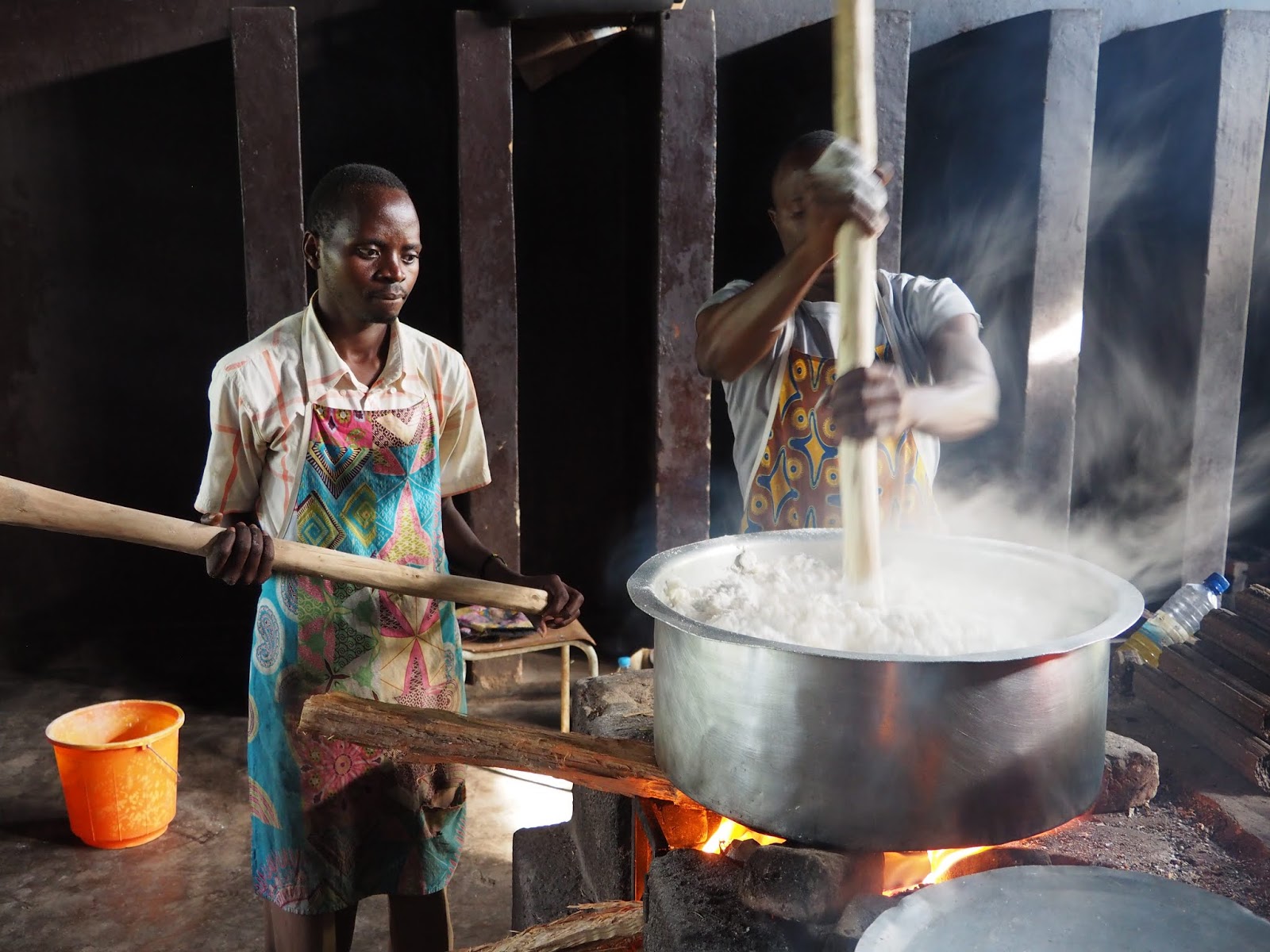
Cooking a large pot of food.
Preparing food for over 100 people is no simple task. Kawngra is a cornmeal biscuit common in Rwanda.

My new adventure!

Hello blog friends, it has been a while and a lot has changed. I won’t go into detail about all that life has brought me, but I wanted to touch back in as I have returned to Africa.
    I am now living in Rwanda working for Duke University. I have been selected to be the site coordinator for DukeEngage’s program that is partnered with Kuazamura Ubuzima (KU) or Growing Health. The goal of KU is to provide nutritious foods to young people at the local hospital. The idea started several years ago with my boss, a pediatrician, was working at the hospital here. She noticed that the kids who were brought in were taking longer than expected to get better and with the help of the local community members she linked it to malnutrition. From this sprang the idea of providing food to these kids that would promote them getting well.
    There are many factors that are linked to this widespread issue from families not being able to afford healthy food, to expensive medical bills burdening the families, to the lack of food provided to patients at the hospital. Some of these I will examine later, others I will not delve into. But, suffice it to say, the problem is prevalent, and widespread throughout the country.
    KU now has over 3 hectares of land it cultivates right on the hospital grounds. The team grows everything from sweet potatoes, to bananas and avocados. Using the food grown on the farm, in combination with some foods bought from the local market, they provide two balanced meals a day to the young people being treated at the hospital. They employ a team of local experts who oversee 23 farmers and 3 cooks who grow and prepare the meals. They employ only those people who need work the most and, in general, attempt to build up the local community.
    My role here is to guide our dedicated students in how they work with the organization to boost its productivity and grow the organization towards a more sustainable and productive organization. This project presents many challenges in the form of securing sustainable funding, ensuring local acceptability, and general continued feasibility. All of which our students must overcome to be successful.
    My time in Rwanda has given many flashbacks to my service in Ethiopia. There are so many similarities, as well as many differences. The history and culture have many echoes from what I experienced in Peace Corps and it has been so interesting seeing the students go through many of the same experiences and cultural shocks that I went through a few years ago.
    I am excited and energized by the projects and tasks that we will be endeavoring in over the next few months. I can’t wait to see the projects and ideas the students come up with and look forward to helping the students better understand and identify with the local culture.

Students and staff portrait
Our students and amazing KU staff.
Fields of vegetables with staff
Some of the vast fields of sweet potatoes, bananas, maize, and sorghum are grown to feed the 110+ recipients twice a day.
Rural Rwanda with rice fields and cattle
Rural Rwanda is still primarily dependent on subsistence farming. It is contrasted by one of the quickest growing economies in Africa and has been highlighted as an example of stability and growth on the continent. (More on this later)


Life goes on

So I have been off here for so long I figure no one will read it anymore. I think I am really writing this more for myself than anyone else.

It is so hard for me to even comprehend that I left Ethiopia seven months ago! I have a new place, a new car, a new wardrobe, a new job, new friends (and of course plenty of old ones), once again my life has just completely changed from a few months ago. Don’t get me wrong, many of the changes are quite welcome, I honestly am not complaining that I have running water I promise, I would admit I think it’s a bit excessive though. I mean who really needs running water 24/7.

For those of you know don’t know I wasn’t quite ready to give up the whole Peace Corps gig. I became the Peace Corps recruiter in the Tallahassee area. I get to talk to people every day and get paid for it, not a bad job really. I also am working on a project that is based on improving literacy in youth in Nigeria. It can be very tedious work but I am so grateful for it and glad I can help in my indirect way to keep working in the international aid field. It has also been incredible to see all the Returned Peace Corps volunteers in Tally, they are wonderful people and I count myself lucky to be friends with them.

But all that isn’t why I am writing this post. I could go on and on about the current state of America and how disappointing some of the things I have been seeing are. How I am having to almost everyday answer questions from my foreign friends on WhatsApp asking about what they are seeing on the news. But I think a blog post is hardly the place for that, at least not this kind of blog. I wanted to write about my re-adjustment. Up until today if you asked me I would have said that I don’t usually have adjustment problems. That I traveled so much as a kid thanks to my family who loved seeing new cultures, that I was used to it. I would have a few things here and there that took me a minute, but no-big-deal. That when I came home the only real issue I had was my parents decided to take me to Publix shortly after returning to pick up supplies for a welcome back party. They were walking around getting this and that and told me to go pick out the chips. I am sitting there looking down the chip aisle and look at them. I remember telling them “no, I’m not doing that” and walking away. I don’t know if they even realized it but I was mind blown. I mean here is a row of chips with maybe a hundred different options. Coming from a place where the three options you could get were the same in every major city in the country it was more than I could take. I proceeded to wander around the store for the rest of the time not really seeing anything and just trying not to be overwhelmed.

Now don’t worry, I wasn’t about to have my head explode or anything, I wasn’t about to break down in the store, not to trivialize other people’s re-integration experience. But I didn’t want to be there right then, and I didn’t want to handle it.

I say this long rambling story for another reason. (Besides that I think you will never read this if it is too long!) I think that I might have been lying to myself. I was talking to my friend the other day. He had served with me in Ethiopia and I told him that story, that I was doing fine but I didn’t think I was socializing enough. That I didn’t see my friends enough, I was tired of sitting at home even though I am doing events practically every week. I meet up with people for dinner, I get drinks, I have even been on a pretty good amount of dates. But still, I felt like something was wrong. But today I was reading a blog of a currently serving volunteer and she mentioned having to slow down. Having to get used to the culture and understand that you don’t have to be productive every second of every day. That you get used to sitting down and having coffee and tea and just socializing. That’s what I think I have been missing. That’s what I have been craving, that is why I feel like something is missing. Because we American’s have it all wrong!  We think that we have to be working every second, you go home and eat, go to bed and repeat. We have lost that sense of companionship. Of sitting down throughout the day to have coffee with people, of chatting about life and family and each others’ experiences. Something so simple as taking a coffee break, something I didn’t even know I was missing.

For those of you who read my past blogs, you will know that every day I had coffee at Aster’s coffee shop, I spent the evenings with Shimelis for dinner and often went out to have a beer with friends before bed. Every day I was spending hours with others just talking or even just enjoying each other’s company in silence. It was culture, it’s what you do, it’s what everyone in Ethiopia does, and it is really really great.

So what do you do? How do you adapt? How do you fill that gap? Well, I don’t know. (I told you I just figured this out today right?) But I have an idea, just something small. My office works on international Ed. We have people from many backgrounds and so many well-traveled people. I’m thinking a coffee hour. Once a week asking everyone to come to the conference room, drink coffee, have snacks, and just socialize. Get to know each other, and find out what each other is doing. I don’t know if it will catch on. I know people are “too busy” but hey, it is worth a try.

So here is to all you fellow RPCVs who found out how to slow down. I hope you never lose that and I hope I don’t either.

The final journey

Here it is, the last one!

Next stop Udaipur. While I had a rough route in my head, I relied heavily on the ticket collectors to help me pick the best stops to make to get up to Udaipur. I estimated it would be a two and a half to three day trip and I would end up with two days in Udaipur, get a private bus to Delhi (an easy task in Udaipur) and be back in plenty of time for my flight. Well, for some reason I just had the worst time of things. I arrived in Mumbai around 2am the first day, and couldn’t find a single person who spoke English well enough to help me. So I decided to get a hotel and try to move on in the morning. Except all the cheap hotels were full or so much above my price range I was wondering if they were the local equivalent to the Hilton. I finally found a hostel with a room, but it was meant for 7 people and they were asking me 2,500 rupees a night. Compare that to the 350 I paid for most of the other hostels. It was 3 am, I was near crying, exhausted, and sweat dripping down my back. I was so freaked about the thought of having to sleep on the sidewalk with the swarms of rats I had seen every inch of my walk through town I agreed to the exorbitant price. When I went to pay though he handed me a thousand rupee bill back and I couldn’t even bother to correct him and just counted myself lucky. The next day it was onwards again and I braced myself for another long, hot day riding through India in a hot bus. I wasn’t wrong. I arrived in the last stop before Udaipur, waited about an hour and got on my bus. It was about midnight and I found out from the ticket checker we would be arriving about nine am. I am then looking around for a seat and realize there are none. Oh well, the floor it is, and while I am at it I might as well lay down and get some sleep in the middle of the aisle. So that is what I did, or at least what I tried to do. With the rough roads bouncing me several inches in the air every ten minutes or so, only to slam down in a cloud of dust that would coat me every time I hit the floor I decided it wasn’t worth it. Around 2 am I got a seat, but as a passenger got off the bus I caught him giving me a weird look. I watched as he got off the bus, took a few steps, looked back at me and came to my window. He asked me where I was going, and at this point I could feel my stomach drop. I told him Udaipur and he nodded, then he asked if I was going to the Udaipur in Rajastan or in Mumbai. I said Rajastan with a sad note in my voice and he proceeded to tell me I was on the bus to Udaipur…near Mumbai. So all through the night I had been riding on a bus heading back the opposite way I wanted, back to where I had just come from. He tells me to get off the bus. So with no shoes on, my big bag in the front of the bus, my small one in the back, and no idea where I was,  I was yelled at the ticket master to hold the bus. I stepped on ladies sleeping in the aisles and hit people with my bags as I rushed to exit the bus. Once off the bus I sit on the ground,  and attempt to readjust my bags, put my shoes on, and notice how the dirt on me now makess me look black. I realize I don’t have the vaguest idea which city I am in but am happy to realize that my mysterious rescuer has not abandoned me. He introduces himself and asks if I even knew where I was headed on that bus. I told him I didn’t and he said I was going to a town so small that I would never have found an English speaker and would have been out of luck. I find out from him that I am in a town I had been through earlier that day, making me even more frustrated that I had backtracked my exact route, but Parth (his name) is kind enough to tell me about the town and he set me up in a group hostel that conveniently was in the bus station. He also explained how to get to the Udaipur.  The town I was in is called Vadodora  and is a pretty nice town. With only a few days left in the country and not enough time to enjoy Udaipur I decided to just take it easy in Vadodora. I rented a hotel room with wifi and AC, crazy I know,  and took a few nice hot showers then walked around the market area to find gifts for people. I also found a nice pastry shop just around the corner. It was a nice end to my trip, or at least it was supposed to be the end. For my trip back I booked a private bus to take me straight to Delhi, which would leave me  only one city bus or metro ride to the airport.
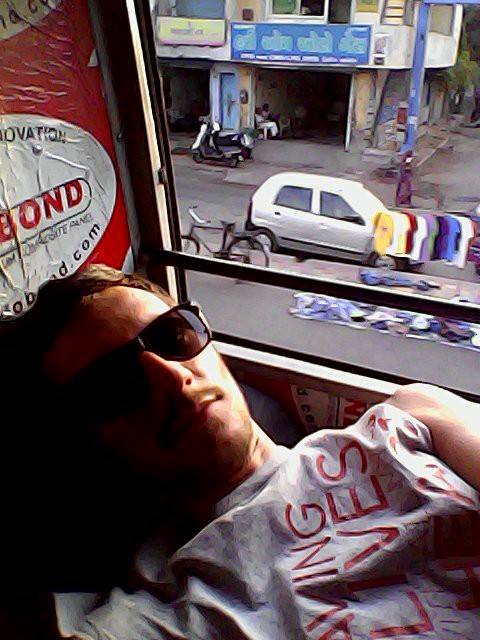
On the bus
 I got to the travel office where the bus was leaving from early to be safe. When the bus arrived they told me to get on. I gave my ticket to the ticket collector and the driver showed me to my bed so I could sleep the twelvish hours to Delhi. The next day about ten hours before my flight the bus stopped for what I thought was another meal/bathroom break. But as I got off the bus they told me to take my bags. When I asked why they told me it was the last stop, I was obviously not in Delhi so I ask why it was the last stop. They told me the bus was finishing in that town and I had to get off. So pulling out my ticket again I showed them where my bus was supposed to be to Delhi. They then, in broken English, explained that I was again on the wrong bus and I would have to make my way to Delhi from there. Everything worked out in the end with me having to take only one more 5-hour bus ride to Delhi.  So I wasn’t that far off and I ended up at the airport with time to spare.
I wish that this is where my story ended…but it’s not. My last adventure was at the airport. In order to get into the terminal to pick up your ticket you have to have proof of your booking. Not having been told this I was surprised and frustrated as my phone was dead, my computer cord broke early in the trip, and I had no print out of my ticket. I was stuck. So I asked what to do. The attendants told me it was easy, I would just have to call to get the ID number of the booking. Sure, but I had no charge on my phone I told them. They proceeded to tell me to just call the number and I would be fine. Once again I slowly explained I had no charge on my phone, my flight was in a few hours, and I needed to get to the desk to get my ticket which would be my proof that I had a ticket. I was told that all I had to do to get my ticket to prove I had a ticket was call and get the ID number of my booking. Well, this went on for a while. I didn’t keep my cool as much as I would like to say I did, but compared to before I went to Ethiopia I felt I did pretty well with not being too rude to anyone. Still they knew I was not happy. I asked them where I could charge my phone because it was dead, I would then pull up my email and show them. They said there was no charging available inside the terminal but I could find charging outside the terminal. This would have been acceptable except for all the computers plugged into the power outlets, and the attendant’s phones plugged into the wall beside them. Finally, I got the ID number written down, along with the flight number and all other numbers I could find. I hand it to the attendant, point to each and explained to them what each was. They pointed to each after I was done and repeated what I had said…in the completely wrong order. (Exasperated) Finally they printed out what I needed and I walked the two steps to the guard to show him so I could enter the airport terminal proper. He then asks me my flight time, as it wasn’t on the ticket they had just printed. I told him, and he told me it had to be on the printout. That was it, I was done, I sat down on the floor in front of him, bags and all, told him to talk to them and refused to move. In the end my phone had enough residual charge on it to pull up the email with alarms going off about the low battery every second. They finally let me through. I wish that was the only frustration at that airport but it wasn’t. I just don’t want to go through them all and make the five pages I am at already longer. All I have left to say is the Indian airport is the worst airport I have even been to in my life, EVER.
So I am at the end of my travels, at least for a little while. I can honestly say it has been amazing and terrible, thrilling and exhausting, hot and hotter. I have met some amazing people, and others I would like to see fall into one of the many piles of cow crap all over India and Ethiopia. But, I have emerged a changed person. I am happy to say that for the most part, all the changes have been good. I am a more patient, well rounded, less judgmental person. I have learned to respect local knowledge, and understand the importance of modern information. I have made some amazing friends, both American and other. I wouldn’t change it for the world. I am glad to be back in America. All of you have made me feel so welcome and missed since being back. I truly want to thank you all for having gone through this with me. I know I wasn’t always positive and I think that is ok. Life isn’t always flowers… sometimes there are thorns. But I hope you a better understanding of the world outside of your everyday lives and have stopped to think about all the privileges and benefits we take for granted in our day to day lives. Remember, no matter what you believe in, helping others is one of the most rewarding things you can ever do.
Love you all and thanks for reading.
Trey

P.S. If you all are interested let me know and as I go through pictures (very slowly) I can continue to      upload them here. Both of Ethiopia and India. If you don’t tell me you want then I won’t do it.

Beautiful Hampi

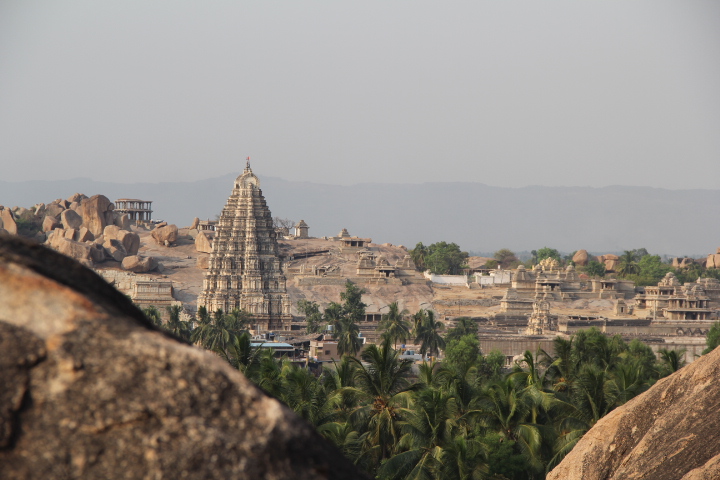
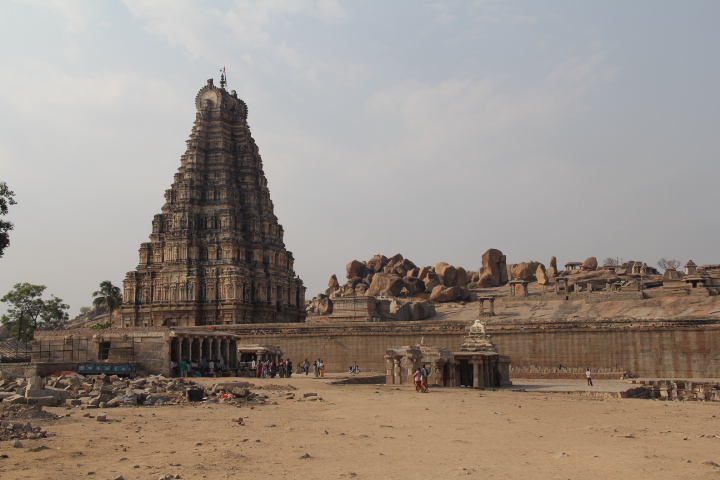
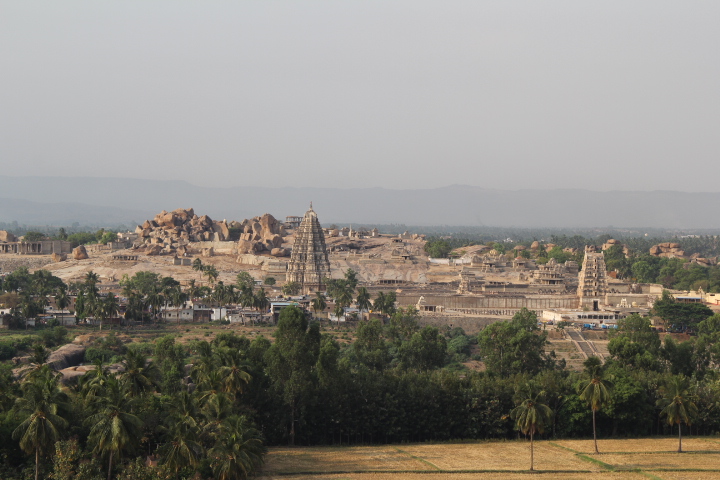
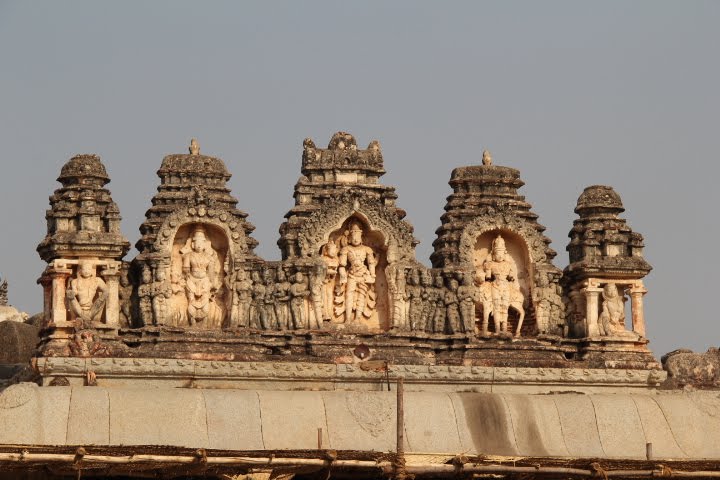
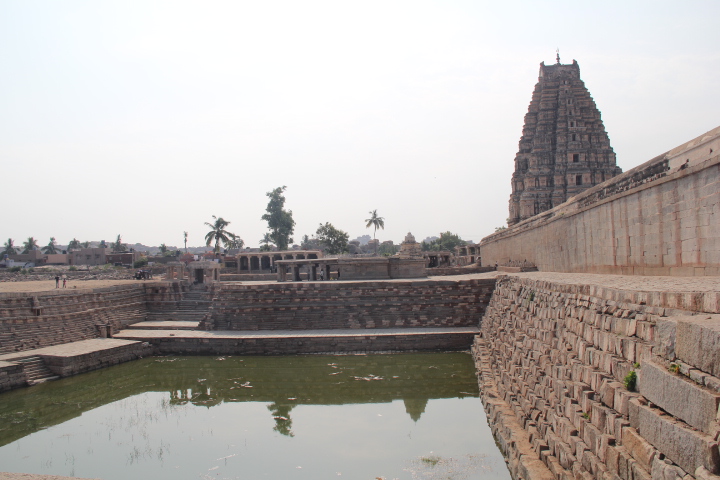
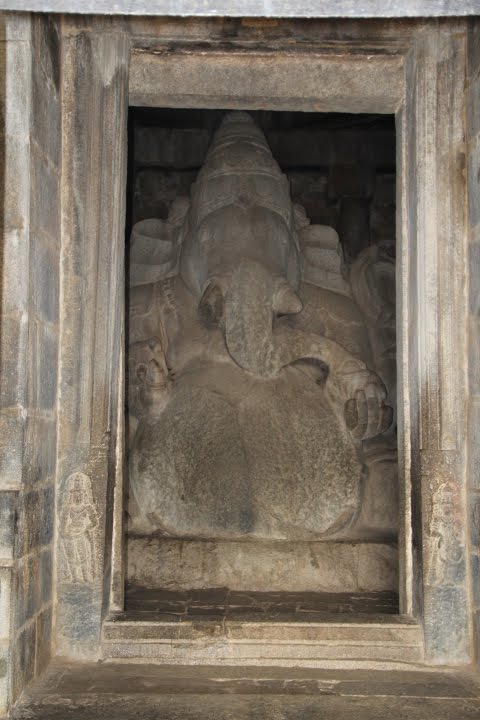
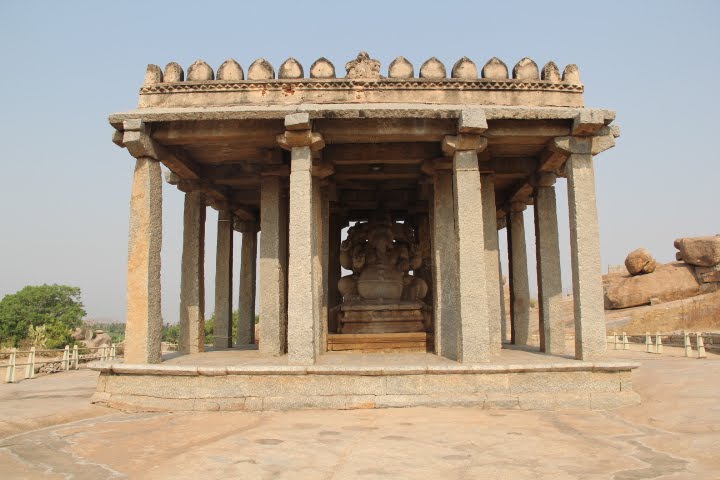
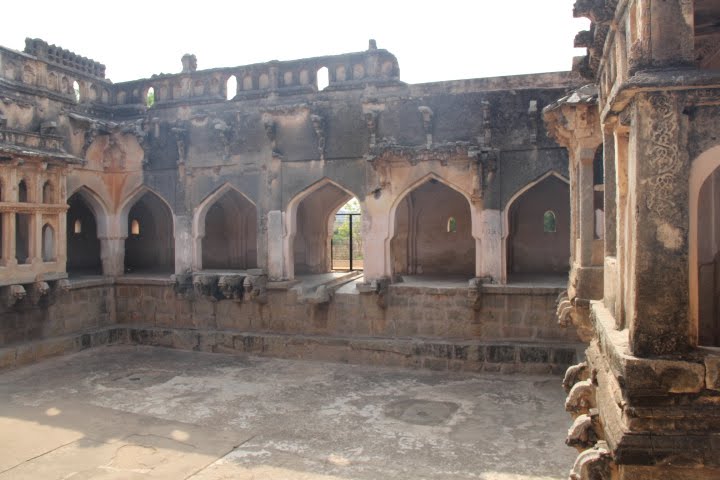
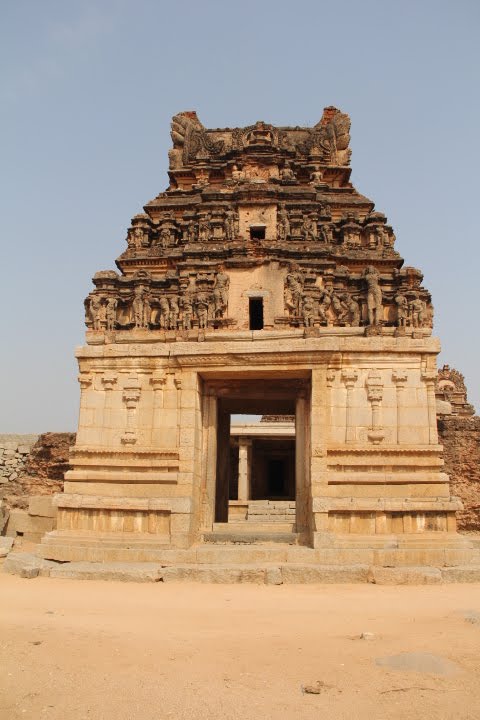
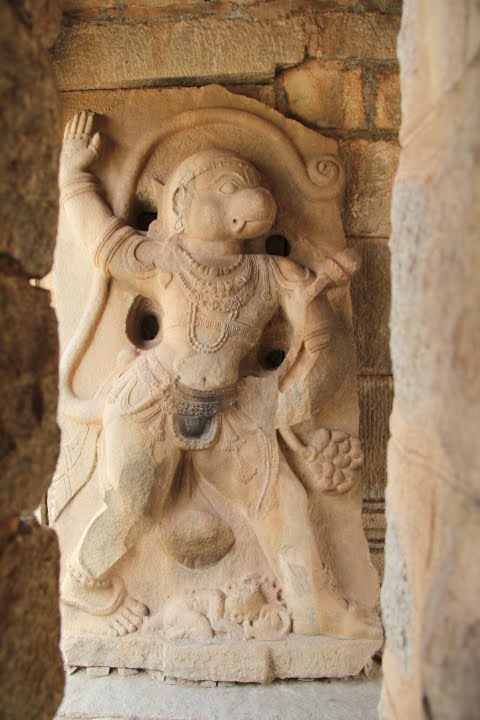
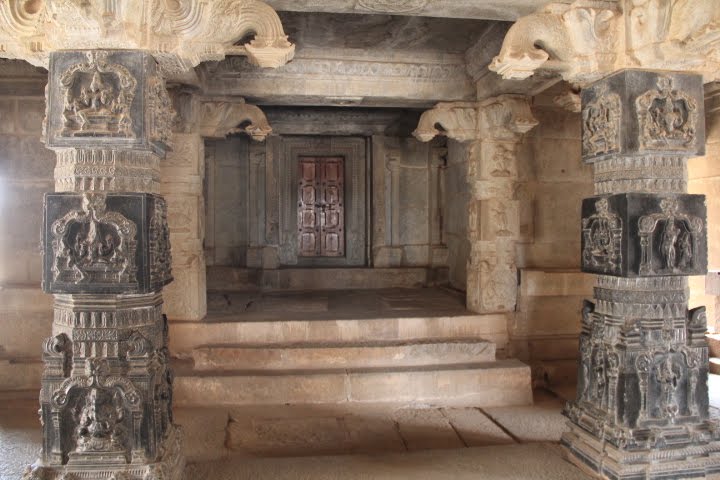
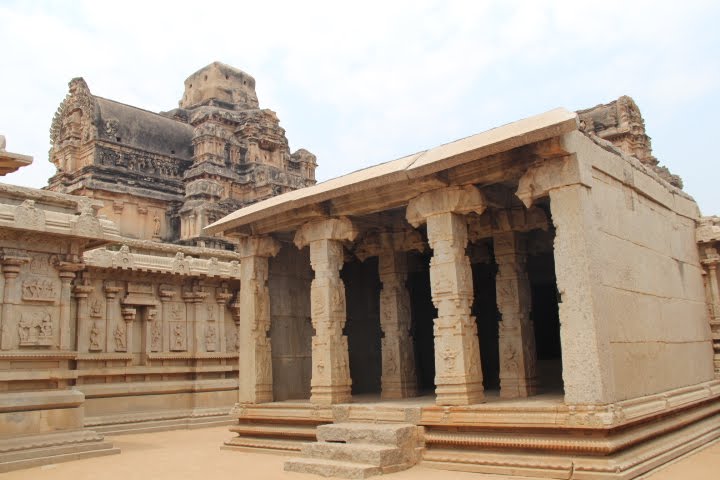
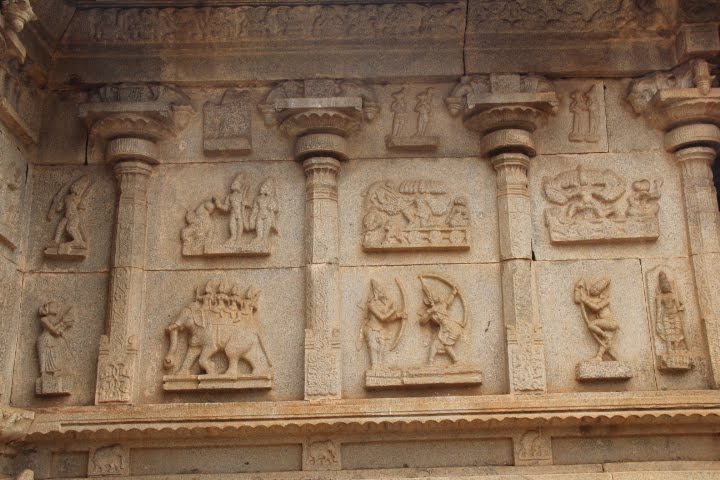
Hampi was one of the numerous examples of me getting lost. I once again took the public buses and during my last bus change I ended up getting on the bus to the town that the hostel was licensed under. I didn’t realize until it was too late though that the town the bus was going to was about an hour north east of where the hotel actually was. The bus completely bypassed the little town of Hampi. So upon arriving in the wrong town I decided that instead of having to try and figure out the correct bus, maybe getting lost, and having to walk two kilometers from the main road back to the hostel I would spend the night. It was a night wasted, but onward and forward. The next day I arrived at the hostel in Hampi. During my two hour walk down the side road through the little village I noticed that all the houses had been knocked down. What looked like a once well built, if quaint, village had been destroyed. I quickly ruled out natural disasters, which left me with intentional demolition. This confused me but I figured maybe it had been an old military base or something and the people had moved into the ruins. How wrong I was, but more on that later. Once I arrived I realized why everyone was so caught up in Hampi. I had heard the name Hampi may times on my travels and I don’t blame anyone who brought it up. Just next to my hostel was a rock cliff which I climbed and had a clear view across the little river to the most beautiful temples I had seen in India. There were magnificent multi-story structures intricately carved with stone walls surrounding them and beautiful music playing from them every morning. I quickly decided to take the small boat across the river and explore these temples. I found that not only were there the two main temples, but there was also the old king’s residence, his throne room, the queen’s baths, more temples than I could count, the elephant stables, and so much more to see. The history and culture just oozed out of this place from the people going to be blessed in the temples, washing their clothes in the holy river, the colors, and foods, and Indian tourists were everywhere. As usual, I spent the day walking, but, this time, I felt rather accomplished. While I did get swindled on one of my rickshaw rides, I quickly figured out the norm and adapted. From then on it was just a matter of getting dropped off and seeing the sites. The royal home was so well preserved, the carvings so beautiful that I couldn’t stop taking pictures. The temple to Ganesh with the towering statue of the deity was awe inspiring, and the hidden temple that can only be found through a single hidden entrance to the underground was completely unlit and I had to use my cell phone to navigate through the corridors to the main worship hall.  In Hampi, I felt like I got my first true taste of how India was hundreds of years ago.
Little did I know that another friend who I had met on the train heading south was in Goa at the same time I was, and thankfully we had exchanged whatsapp contact information so we met up in Hampi. He was a Spaniard, who was also hanging with two Brits and an Aussie and we met that afternoon. We went to a local restaurant and after a few rum and cokes with the owner I learned that the reason for all the destruction was that the government had come and destroyed all the locals houses. The area North of the river is a UNESCO world heritage site so the people weren’t allowed to live there. Although the locals had other ideas why the government was kicking them out, it was the third time the people had their houses toppled and their lives destroyed.  It was such a sad thing to think back on all the kids I had seen playing in the rubble with lost toys they had found crushed between what had once been the roof over their heads. Sadly, the government was making no effort to relocate them or help establish a new place for these people. They were simply being told to leave and then, sometimes forcefully, thrown out on their butts.
The next day, despite what we had heard, we decided that since there was nothing we could really do to help we rented mopeds from one of the local businesses and cruised around. It was a great morning followed by an afternoon spent at a reservoir swimming and playing, that is until a local came up and told us it was unwise due to the crocodiles. Then it was time to move on. I was running out of time and wondering if I was even going to make it to Delhi in time for my flight. So I said goodbye to my new friends and set off. It was a two-kilometer hike to the main road to catch a bus that would take me west. My last stop was Udaipur. It was one of the most famous places for tourist to go in India, and one highly recommended to me. I had my hostel planned out, my rough route in my head, and off I went. Little did I know that this would be the most tedious, annoying, and painful trip of my whole adventure.
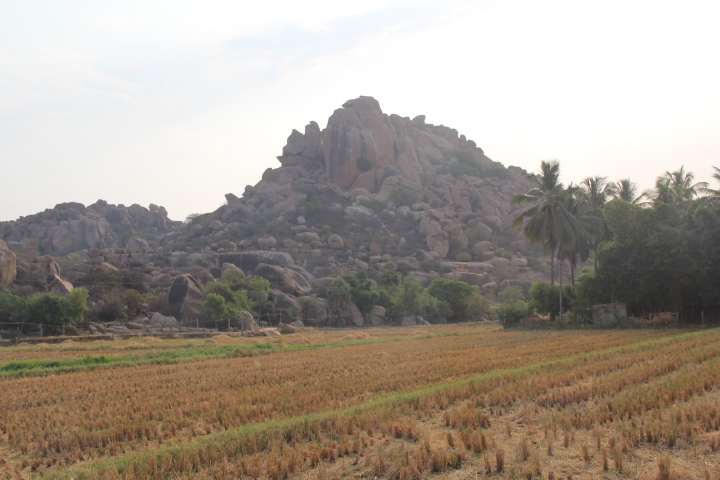
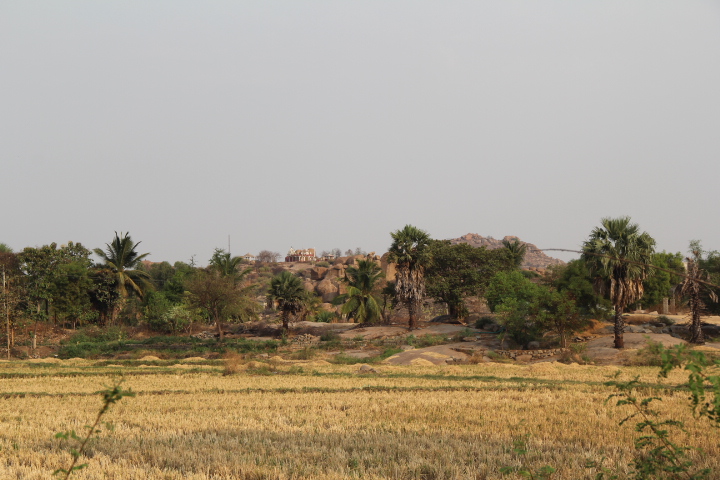
                                 One of the many rice fields on the North side of Hampi
 
Literally temples everywhere
The Sri Virupaksha Temple probably my favorite that I visited
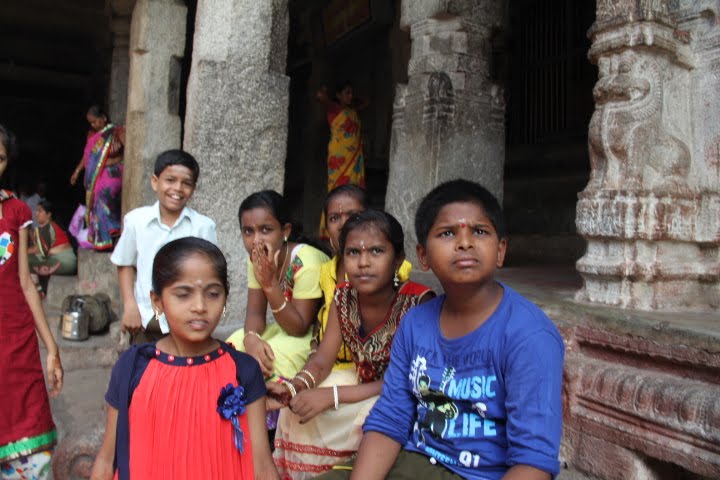
Worshipers children inside Sri Virupaksha, the showed me around to all the best places
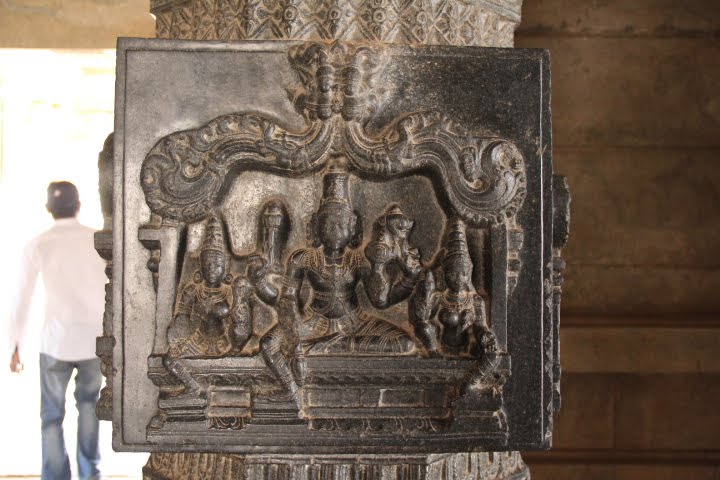
Statue of Ganesh in old Hampi temple
The queens bath
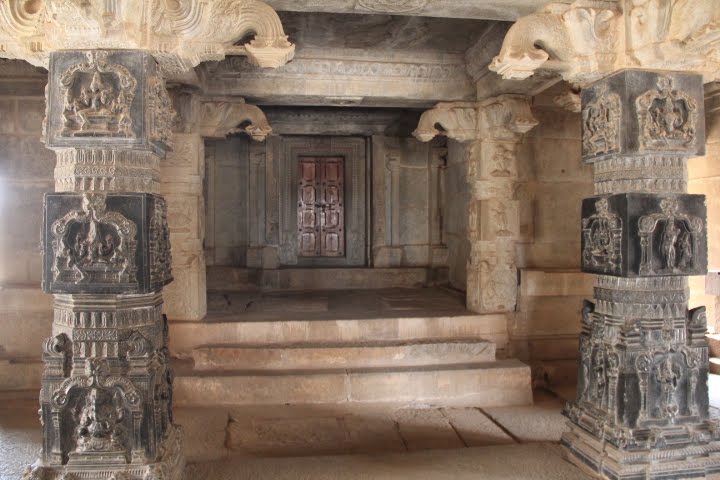
Temple
Hazara Rama Temple
Final post coming soon

Goa

6/11
I know, I know. I haven’t posted in a while and am sorry. I have been in the midst of my sisters wedding, visiting Fort Lauderdale, interviewing in Panama City, more job hunting, prepping for the GRE, and getting caught up with friends. Still, I wanted to finish up on India so I sat down and typed up five pages. After my mother said I was crazy it is now divided up into a few posts that will be posted over the next few days or so. 
In some of these places I took a lot of pictures, in others I took none. I will provide a lot of the good ones when applicable though so I hope you enjoy.
After my trip to Gokarna I was recharged and ready to get on with some exploring. Since the train station was a bit of a trip to get to from the middle of town I decided to take the bus as the station was practically across the street from my hotel. Now this isn’t a nice AC bus. It isn’t a sleeper bus. It is what the rural Indians can afford, a bench row where they often try to squeeze an extra person on, with no AC, and a lot of stops which means no air movement to cool you down. So I get on my first bus and get off at the main bus station for the area. I then ask how to get to Goa, my next stop. Here I was told that I needed to go to the main street and catch it there. Well, I didn’t realize that they were telling me to get on a private bus and I started to freak out when I was told it doesn’t leave anytime except 8pm. As it was hardly 8am at this time I was not happy. After asking around a bit more though I found out, that with a few added stops, I could take a few busses to get to Goa on public transport and so I was off. During the longest leg of my trip that day I was sitting next to a rather interesting local who was more than happy to talk to me. I admit to being a bit unnerved when I noticed his hyper-alertness and the fact that he seemed to be having rather animated conversations with himself, but, in general, he seemed to be a cool guy. At the lunch stop I met another guy closer to my age who was very nice and explained that it would be easier to get to Goa if I went one stop past where I had planned to get off and it would knock off some time on my travels. I was quite happy when I realized that we were actually traveling through a popular, large national park and couldn’t stop staring out the windows as the natural beauty all around me. Finally though I reached Goa proper and had to make my way to the hostel which only meant one more bus ride. But that route took us through back roads and alleys until I was so discombobulated that I was soon lost and would never have found the hostel had it not been for my GPS. Honestly, I don’t know if I would have survived India at all without it.
                Now in Goa I wasn’t really sure what to expect. I had heard it name dropped a few times but only as a popular tourist destination. Online there were a few markets and temples recommended but not as much as I would have expected from somewhere that was so popular. But, after only about thirty minutes of being in town I realized what the draw to Goa is. Booze! I can’t remember if I have mentioned this before so I will review. It is hard to get alcohol in most of India. I am not kidding, like you have to find a secret bar in a dark alley or one or two places in town you can buy bottled liquors and take it home. But it isn’t easy to get. In Goa this is not true. It is like the US where every restaurant offers alcohol, there were tall boys, and liquor drinks, and even some imports. It was AWESOME! I didn’t take any pictures in Goa really, I spent a day walking around and finding out only after I visited them that the markets in that town were not open every day, nor were they open the day I went. So most of my time was spent at the beach and in the awesome infinity pool at the hostel. There I met two British travelers and we immediately hit it off spending the days, and nights together and spending way too much on beer. Before I knew it though it was time to hit the road and head to Hampi, one of, if not my favorite stops.

Gokarna

5/16
So for those of you who don’t know, almost as soon as I arrived in India the charger for my laptop broke.  Since I had no way of opening my pictures, I had no way of sending in any blog posts.  So for the next little while I am going to try to go through the pictures I took while in India and write up some posts.  I hope you can bear with me while I select and write these up.  I hope you enjoy.
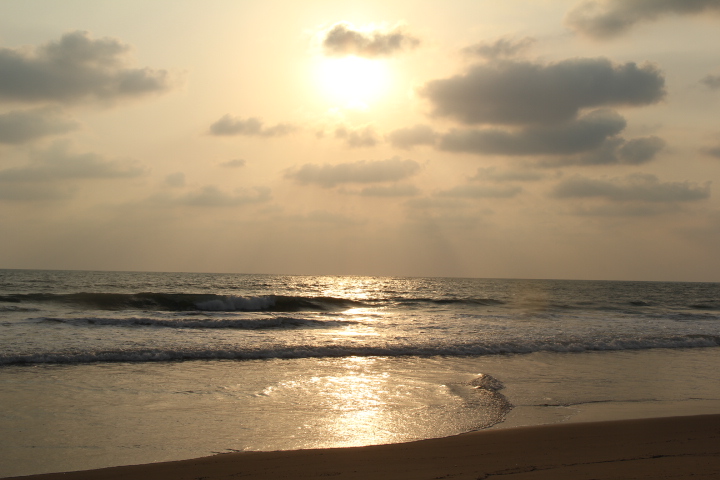
After Varanassi and Thrissur I headed to Gokarna in South Karnataka.  The train ride there was of course long and hot, but it was an overnight train so I got to sleep and arrived in town a few hours after noon.  Gokarna is a beach town that is somewhat famous for tourism both foreign and domestic.  It is a beautiful area with several beaches and a small rural area surrounding. It was nice to see the way the rural people in India live.
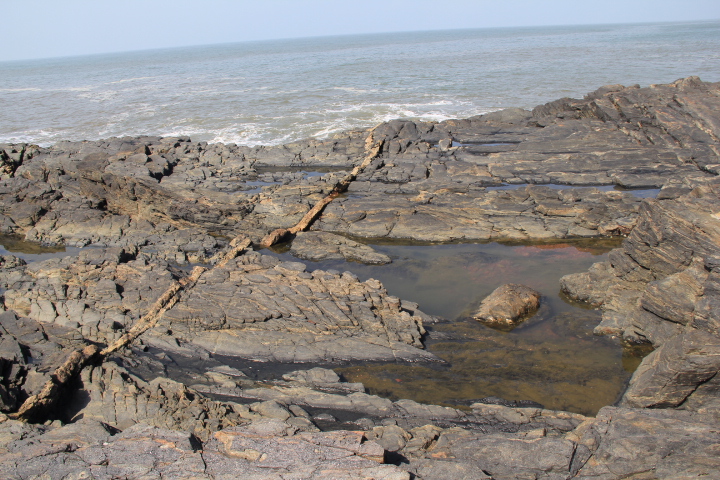
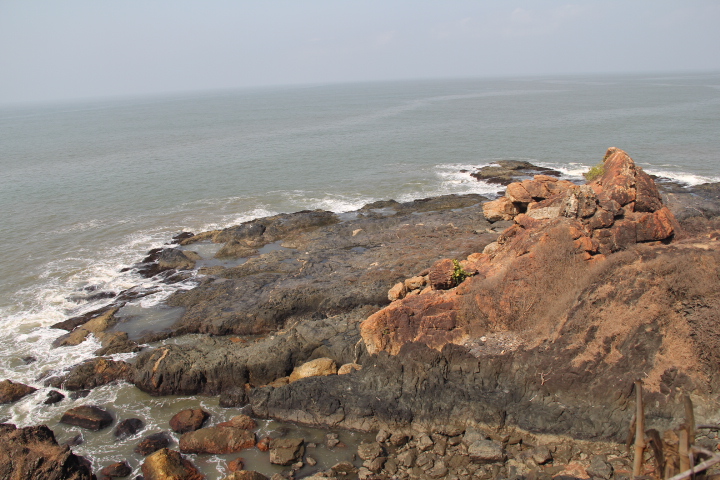
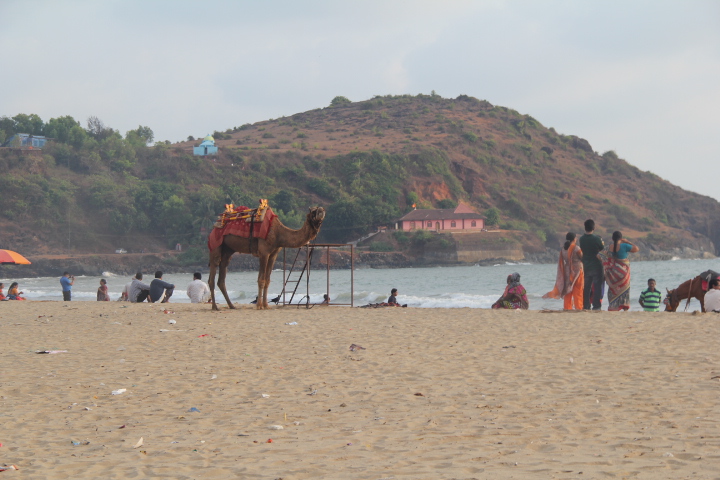
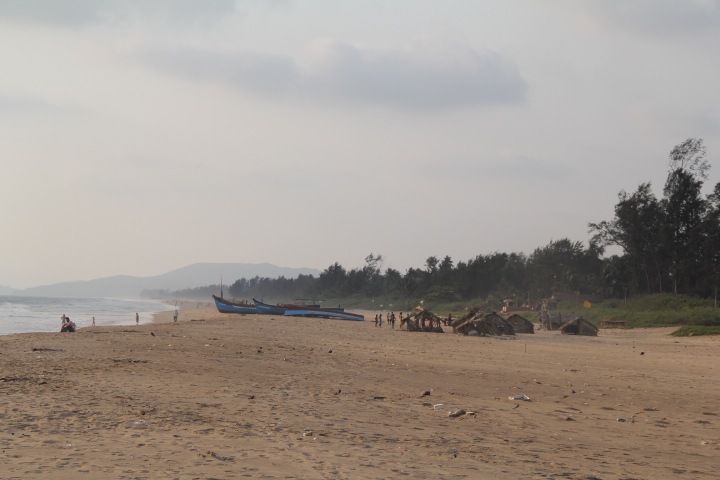
I spent just about every day there in the mornings sitting on the beaches, and the afternoons walking around town doing some shopping or walking through the rural regions of town. The beaches there were quite beautiful, most of the people stayed on the main entrance areas to the beach leaving the rest of it nearly pristine.  The second day I made the trip over to Om beach by foot.  I didn’t realize that it was five kilometers away when I set out but it was a nice several hour walk.  The rock formations surrounding the beaches were interacting with the surging in the ocean by sending sprays of salt water feet into the air with an unending noise of the surge in the background.  On the main part of the beach there were several small bars. The one I stopped in was run by a French man who was more than happy to keep the beers flowing.  After half a day of drinking, eating great curries, and a Lassi for dessert I head back to town for some shopping. Since it is the off season for foreign tourism I was able to get what I consider some really good deals on gifts and souvenirs. 
The final day in town I decided to take a long walk down the beach.  After about an hour of walking I came across a small fishing village built right on the beach.  As I walked up there were a group of men bringing in one of the large seven person fishing boats out of the water.  As I got close they waved me over and in pantomime told me to start pushing with them. I being the pushover I am went along with it. We pushed and shoved until the boat was close enough for the locally made wooden winch to hook up to it and then helped as the winch slowly pulled it up the beach.  I admit being a little disappointed when I wasn’t offered any coconut rum or something for my pleasure but they did ask me to come back in the afternoon to push it back in the water. I am afraid I didn’t make it.
I enjoyed my time in Gokarna quite a lot, it was very relaxing and quiet. It was not common to find small places in India to just enjoy but I am glad I made it to Gokarna and its beautiful beaches.
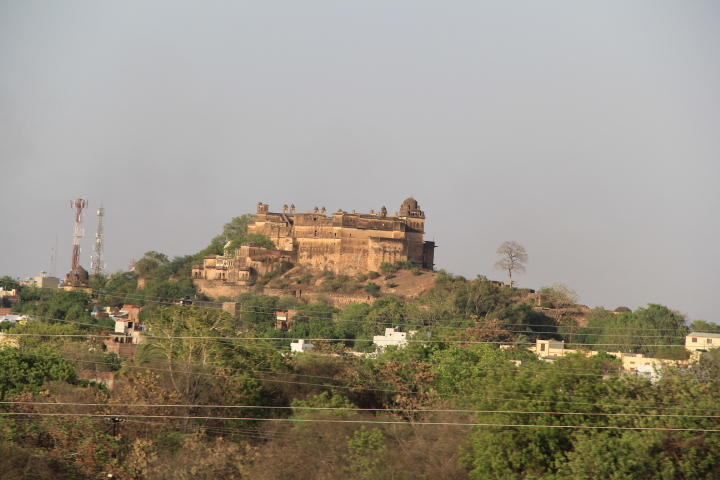
Two forts seen from the train
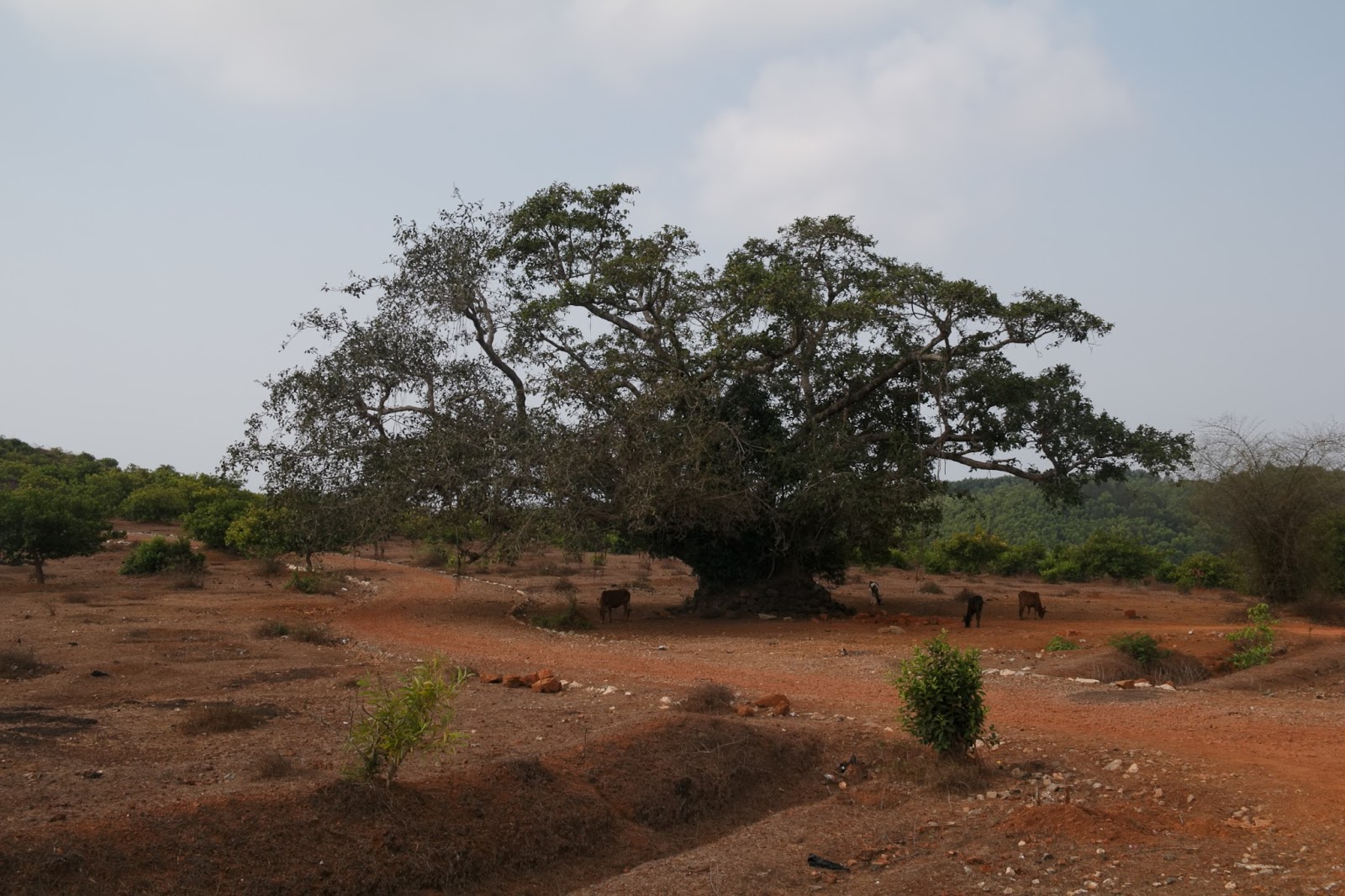
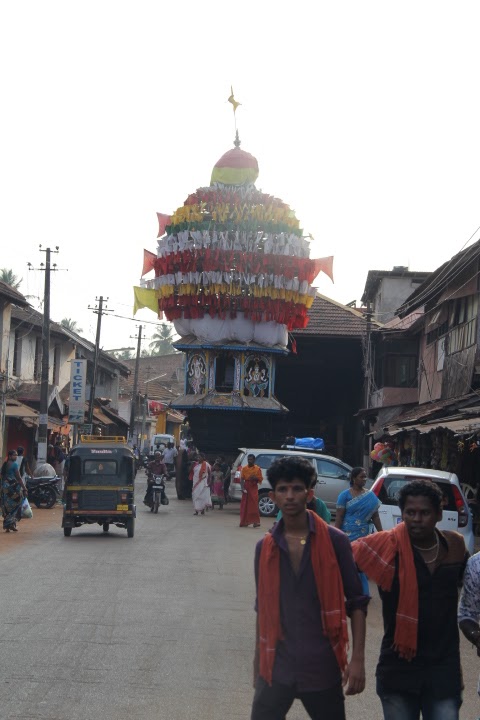
Walking to the beach in Gokarna
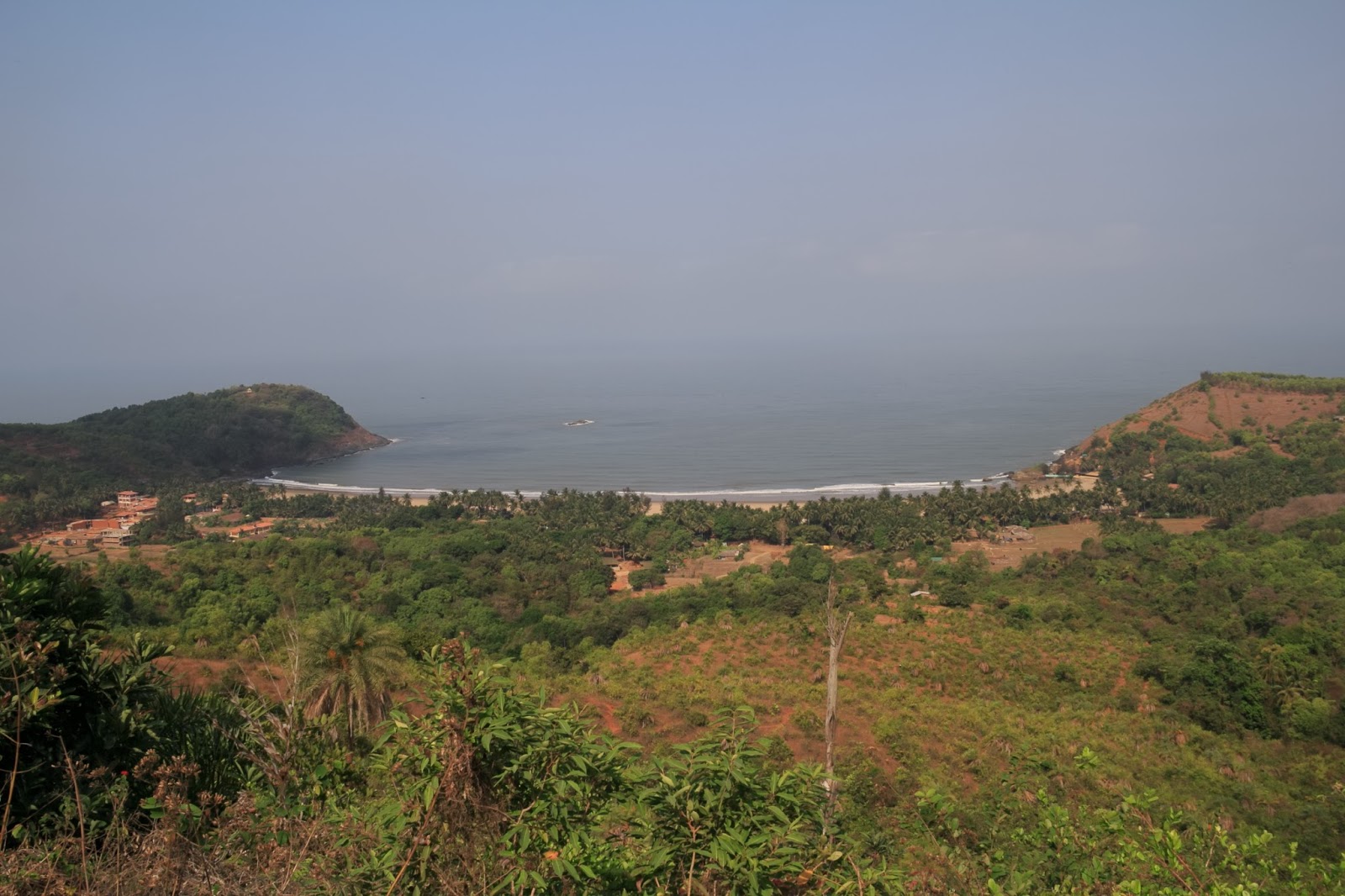
Om beach Gokarna
Sled used during holidays
Gokarna Beach
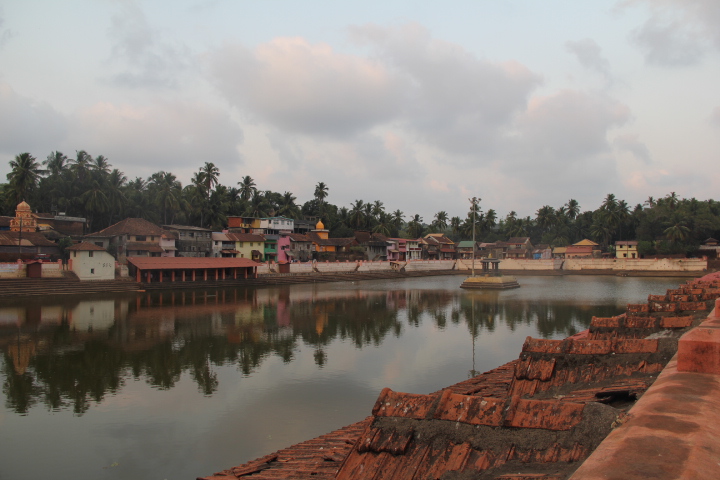
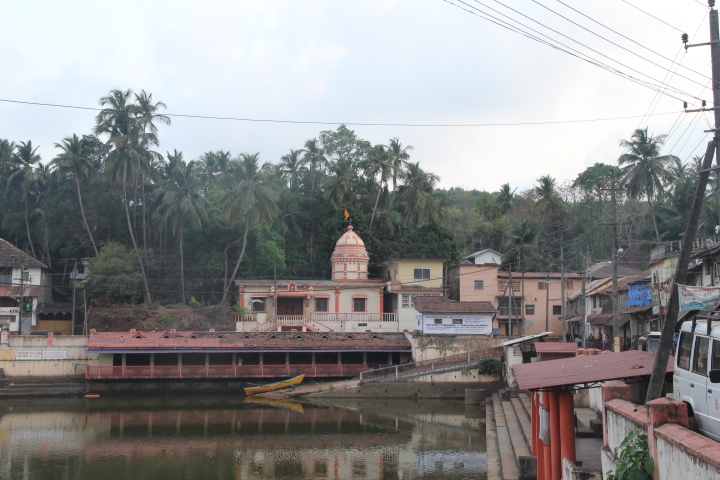
Temple and holy water

Disclaimer: The information presented here is the intellectual property of Eugene Foerster and does not represent the views, opinions or policies of the Peace Corps (peacecorps.gov), United States Government, Duke University, DukeEngage or any other organization in anyway.

Design a site like this with WordPress.com
Get started